

INTERNATIONAL DAY OF CLIMATE ACTION
OCTOBER 24
Climate is the long-term pattern of temperature, humidity, wind, precipitation, and seasonal cycles that characterize a region over decades to millennia. It emerges from complex interactions among the atmosphere, oceans, land surfaces, ice, and living organisms, producing stable ranges of weather conditions that shape ecosystems and human activities. Regional climates—such as tropical, temperate, arid, and polar—determine agricultural suitability, water availability, and biodiversity distributions. Natural variability, including volcanic eruptions and solar cycles, causes fluctuations within these long-term patterns but does not change the underlying climate classification quickly. Understanding climate through observation and modeling is essential for planning infrastructure, conserving habitats, and managing natural resources.
International Day of Climate Action is a globally observed day dedicated to raising awareness and mobilizing public, private, and civic efforts to address the climate crisis. Typically marked by demonstrations, educational events, community projects, and calls for policy change, the day amplifies voices demanding urgent action from governments and businesses. It serves as an opportunity for cross-sector collaboration, highlighting science-based solutions such as renewable energy deployment, conservation, sustainable agriculture, and equitable climate finance. The day also emphasizes inclusivity, recognizing that vulnerable and historically marginalized communities often bear the greatest burdens of climate impacts and must be central to decision-making. Sustained momentum from such international actions can influence political will, private investment, and cultural norms needed to meet global climate goals.
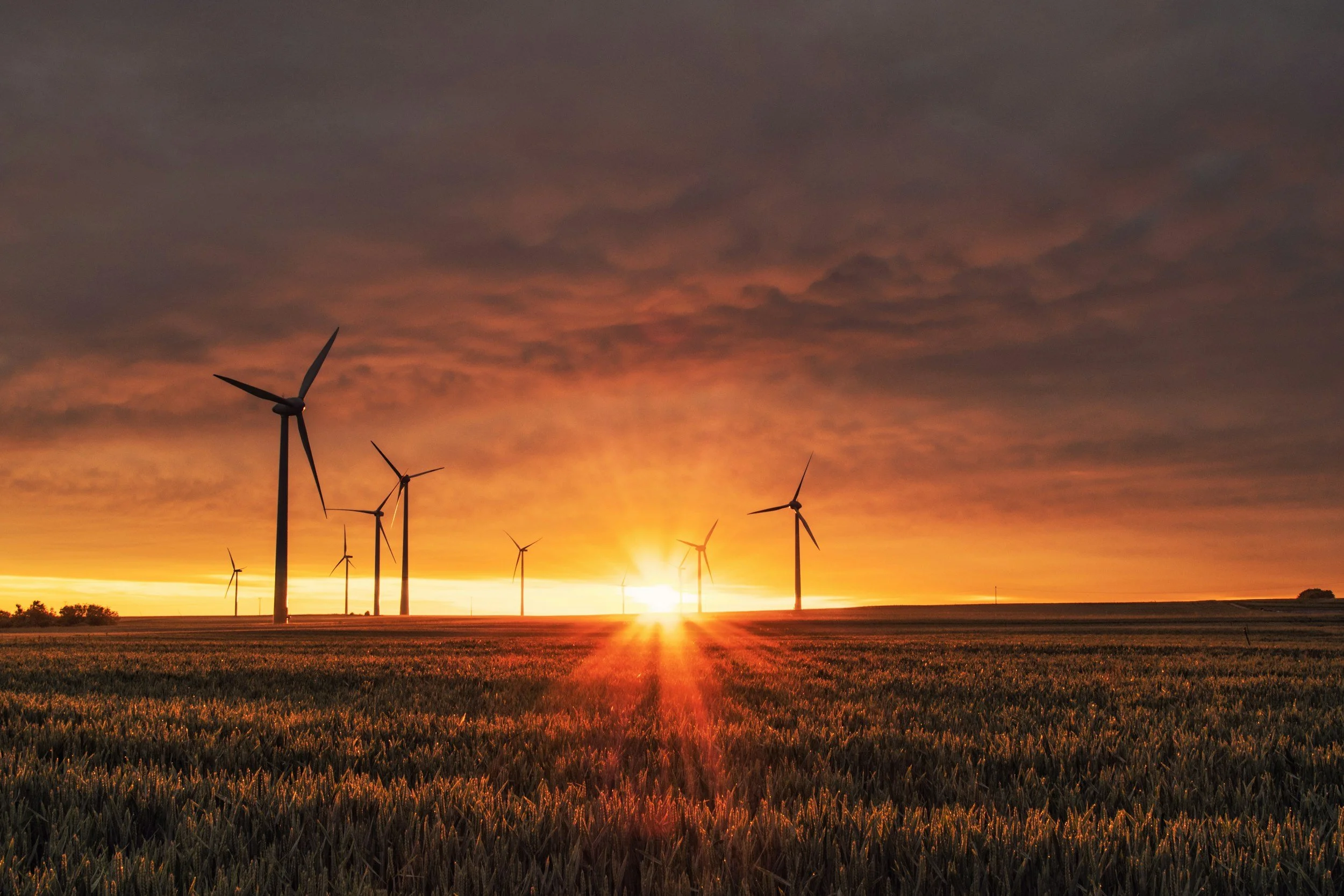
Protecting the climate requires urgent, science-based action across governments, businesses, and communities to cut emissions, safeguard ecosystems, and ensure a just transition for all.
Some Facts About Climate
Human-caused burning of fossil fuels and clearing forests has cranked up greenhouse gases and warmed the planet — but keeping warming to 1.5°C makes a huge difference: fewer heatwaves, stronger food security, healthier ecosystems, and better human health.
Imagine the electricity system as a giant orchestra. Wind, solar, and hydro are the soloists — when scaled up quickly and paired with energy efficiency, smarter grids, and big batteries, they can carry most of the score and dramatically cut emissions. Add smarter grids and storage as the conductor and rhythm section: they smooth out highs and lows so clean power plays on time.
Nature is both ally and asset. Protecting and restoring forests, wetlands, and soils is like investing in a global savings account for carbon — and it pays dividends in biodiversity, cleaner water, and stronger local communities. Trees, peatlands, and healthy soils hold carbon the way a sponge holds water.
Getting to 1.5°C isn’t about one magic trick. It takes deep, fast cuts across energy, transport, industry, buildings, and agriculture — all playing in harmony. Crucially, fair finance and policies must support countries and communities that are most vulnerable, so the transition is just and shared.
So, join Environmental Alliance on International Day of Climate Action to amplify community-led solutions that reduce emissions, protect ecosystems, and build resilient local economies. Stand with global partners and lend your voice to science-driven policy campaigns that push for equitable climate commitments from governments and corporations. Together, by centering science, equity, and community leadership, we can reduce emissions, protect ecosystems, and build resilient economies that work for everyone.
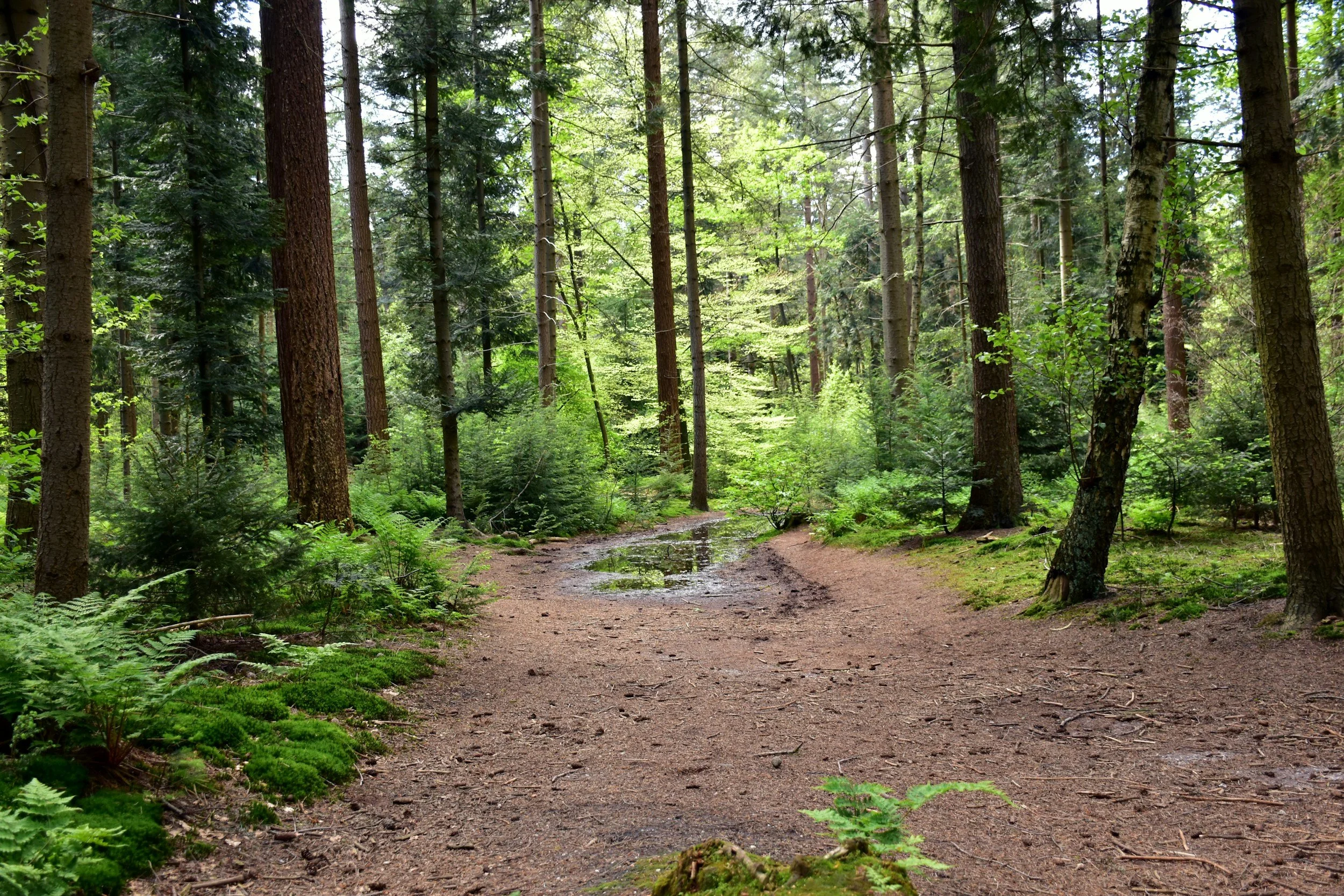
As we come together to address global climate action: speak up, cut emissions, protect communities.
Support fair, science-based policies: set clear limits, fund resilient infrastructure for vulnerable areas, and ensure a just transition for workers and frontline communities. results.
HOW CAN I GET INVOLVED?
Volunteer: Join us in our efforts to promote environmental awareness and sustainability in your community. Whether you have a few hours or a few days to spare, your help is invaluable!
Partner with Us: If you're part of a nonprofit, business, or government organization, consider partnering with the Environmental Alliance for collaborative projects or events. Together, we can make a bigger impact!
Stay Informed: Sign up for our newsletter to receive the latest news, events, and ways to participate in our initiatives.
Attend Events: Participate in our upcoming events and awareness days. Check our calendar for dates and details.
Spread the Word: Share our mission with your network. Follow us on social media and help us raise awareness about environmental issues.