
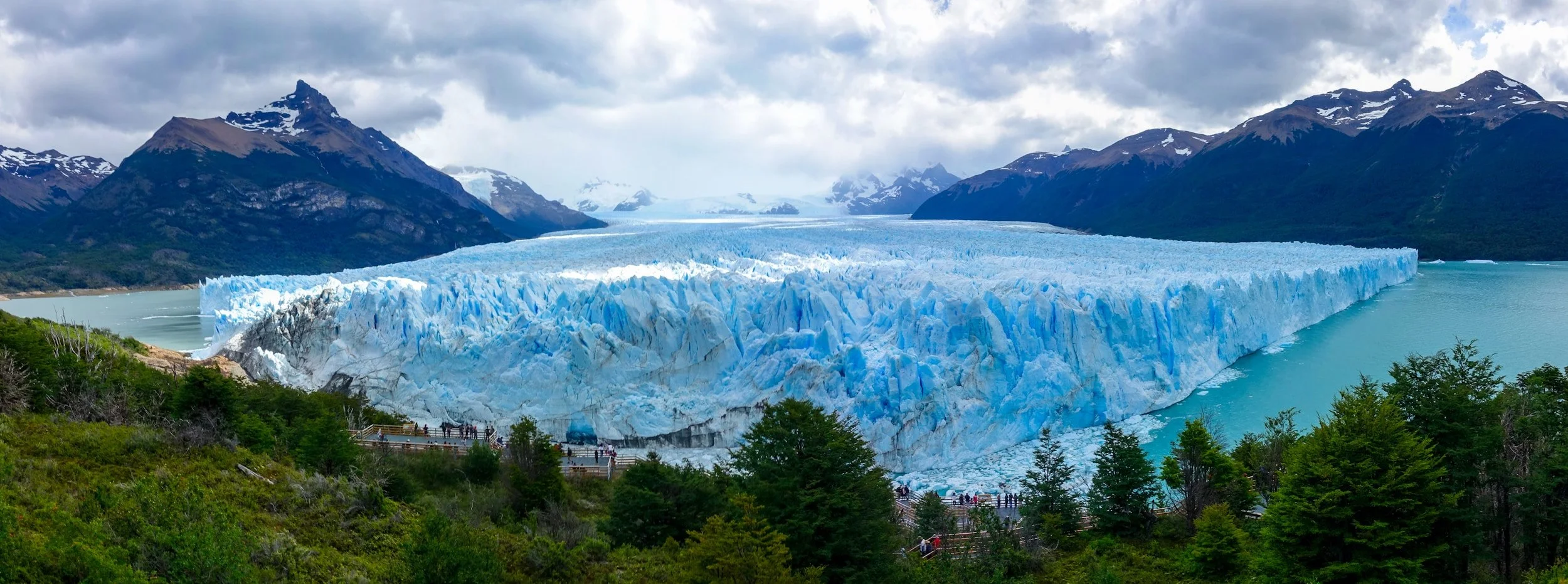
WORLD DAY FOR GLACIERS
MARCH 21
Glaciers: Guardians of Earth's Future are huge ice masses, long ice-lived structures characterized by compressed snow which moves slowly with a certain degree of erosion and deposition. They store approximately 69 percent of the freshwater on the planet, maintain the sea level and influence the climates and water supply in a region. Being extremely sensitive to temperature and precipitation, glaciers are indicative climate change factors; most of them are melting, endangering ecosystems, water resources and coastal settlements.
The World Day of Glaciers is used to appreciate the importance of glaciers in maintaining freshwater, sea level and sustaining ecosystems and human communities around the globe. The day is observed to increase awareness about the rapid glacial melt due to the existence of climate change, the scientific studies of shrinking ice, socio-economic consequences of the downstream communities, and heightened risk of glacial hazards like outburst floods. It requires collective efforts - the reinforcement of climate mitigation, the enhancement of glacier surveillance, the development of adaptive water management, and the benefit of communities most impacted by the loss of ice, in such a way that societies respond fairly to shifting mountain and polar conditions and safeguard the services offered by glaciers to future generations.
Why they are important to Our Planet ?
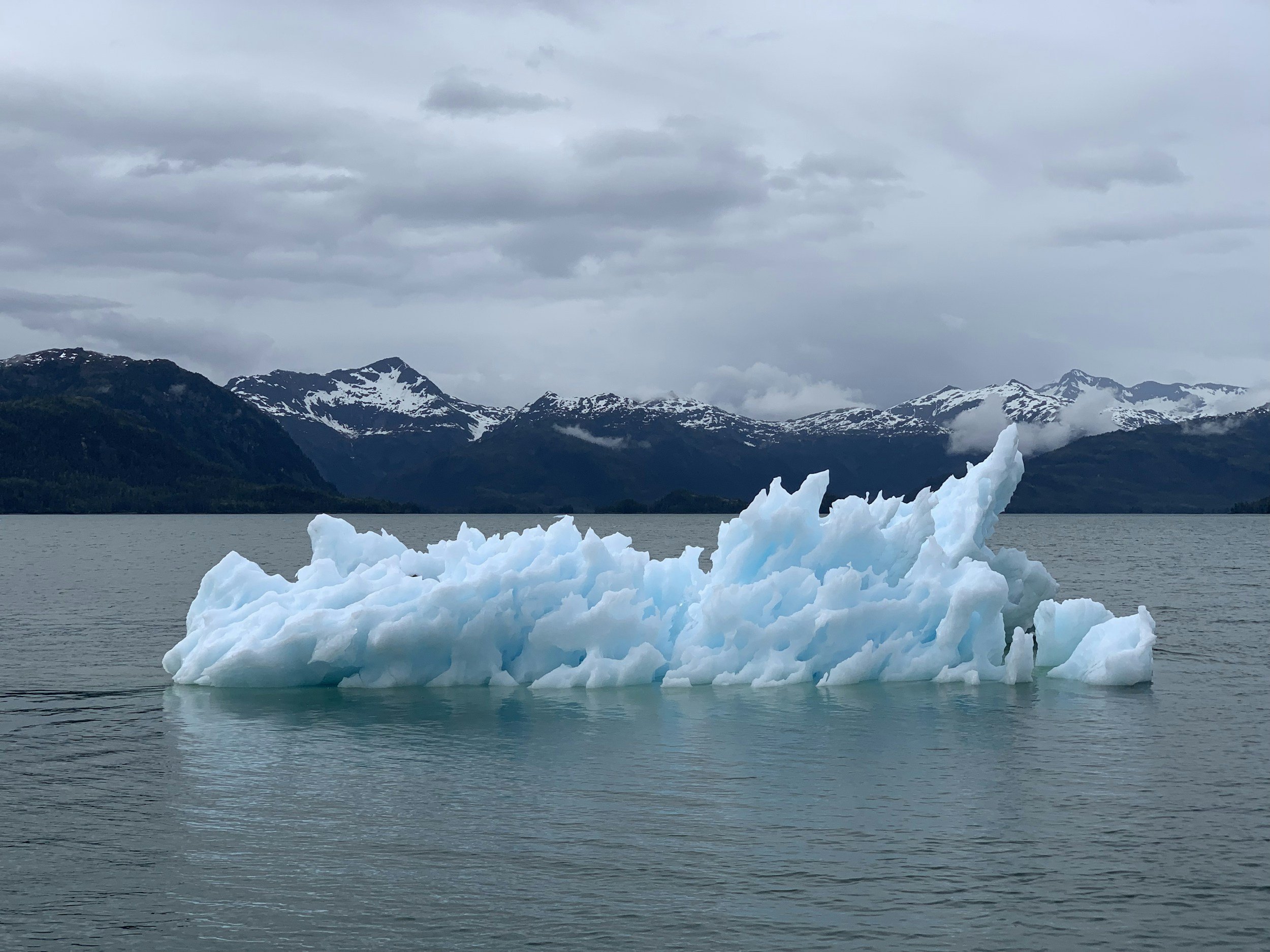
One of the most important parts of the earth climate and ecological system is the glaciers. The significance of this is felt in fields of hydrology, climate control, biodiversity, human livelihood and global sea level stability. They are essential freshwater reservoirs that feed rivers, agricultural activities, and ecosystems downstream. They are also climate controllers since they reflect sunlight and store carbon to cool the world temperatures. Gradual drifting of the glaciers creates landscapes, creating valleys and affecting recharge of groundwater. Quick melting glaciers as a result of warming pose problems to the water security, sea level, and the lives of millions.
What needs to be done
Cut emissions of the greenhouse gases to ensure that further warming and glacier melting are reduced.
Enhance the tracking and study in attempts to forecast the glacier reactions and downstream effects.
Integrate the water management plans in any glacier-based basins in order to be ready to the shifting seasonal flow patterns.
Provide adaptation planning, glacial hazards early warning systems, and alternative livelihoods to support glacier-dependent communities.
What we are doing to advertise this day
Considerable to organize a worldwide alliance of NGOs and research organizations to release a shared statement and parallel scientific briefs on glacier melting, its effects on water security and sea level increase, and its clear-cut policy suggestions on minimizing climate change and adaptation.
Conduct an awareness initiative by providing educational resources that are easy to share, simple data visuals, and brief videos on glacier knowledge, climate drivers, and effective actions that organizations and individuals can take to reduce emissions and safeguard downstream water.
Stress the necessity of more government and donor investments in glacier and community based adaptation, and protected area management and nature-based solutions to enhance the resiliency of glacier-fed watersheds.
Glaciers are of critical importance to the health of the planet, human well-being and ecosystems. Glacier conservation and planning to manage the change is vital in water security, climate stability, and cultural conservation.
HOW CAN I GET INVOLVED?
Volunteer: Join us in our efforts to promote environmental awareness and sustainability in your community. Whether you have a few hours or a few days to spare, your help is invaluable!
Partner with Us: If you're part of a nonprofit, business, or government organization, consider partnering with the Environmental Alliance for collaborative projects or events. Together, we can make a bigger impact!
Stay Informed: Sign up for our newsletter to receive the latest news, events, and ways to participate in our initiatives.
Attend Events: Participate in our upcoming events and awareness days. Check our calendar for dates and details.
Spread the Word: Share our mission with your network. Follow us on social media and help us raise awareness about environmental issues.