
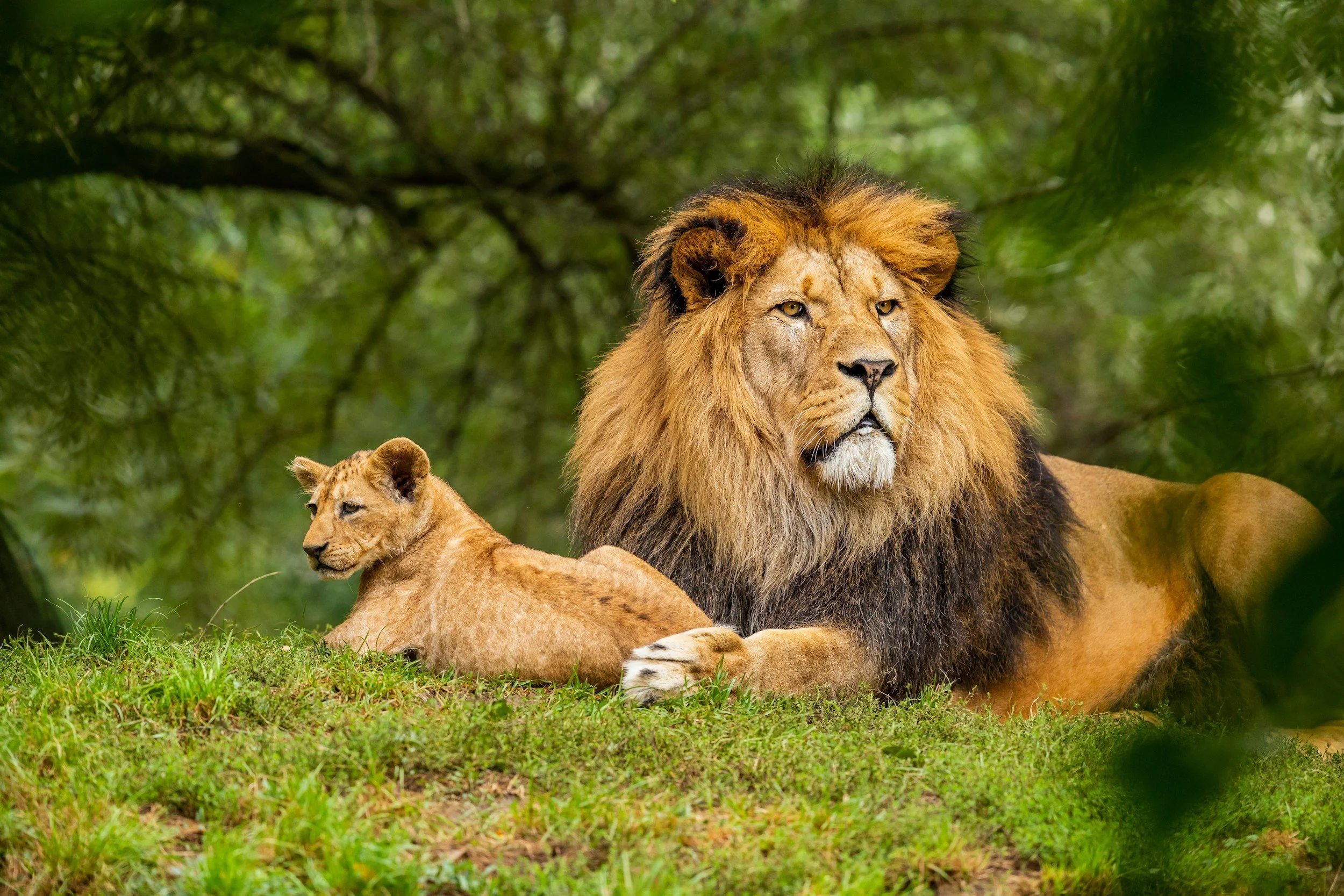
WORLD WILDLIFE DAY
March 3
WORLD WILDLIFE DAY: CELEBRATING DIVERSE SPECIES
From pollinators that support our food systems to migratory animals that connect continents, every species plays a role in keeping ecosystems healthy. World Wildlife Day, observed on March 3rd, recognizes the importance of protecting these species and the habitats they rely on.
This observance highlights the growing pressures species face from habitat loss, climate change, pollution, and illegal trade. It also emphasizes the strong relationship between people and the natural world. When wildlife thrives, communities benefit through healthier ecosystems, stronger food systems, and opportunities for cultural and scientific learning. World Wildlife Day encourages us to care for the species that make our planet resilient.
WHAT DOES HEALTHY WILDLIFE LOOK LIKE?
Heathy wildlife is a sign that ecosystems are functioning as they should. It includes pollinators moving between flowers, predators keeping populations balanced, and aquatic species supporting clean waterways. It also includes genetic diversity, migration routes, and stable habitats that allow species to reproduce and adapt.
Healthy wildlife reflects the success of protected areas, community stewardship, and long term conservation planning. Healthy wildlife systems signal that people and ecosystems can thrive together.
GLOBAL AND LOCAL EFFORTS SUPPORTING WILDLIFE CONSERVATION
The Convention on International Trade in Endangered Species (CITES) regulates global wildlife trade to protect at risk species. The World Wildlife Fund supports international conservation and habitat protection initiatives. The Wildlife Conservation Society invests in science-based programs that protect species and ecosystems around the world.
In Kenya, community wildlife conservancies help protect elephants, lions, and other species while supporting local livelihoods. In Australia, community groups collaborate to protect koala populations through habitat restoration and responsible land management.
3 ACTIONS YOU CAN TAKE TO SUPPORT WILDLIFE
Support conservation organizations working to protect species and habitats — Groups such as the World Wildlife Fund, Wildlife Conservation Society, and local land trusts help safeguard ecosystems and the wildlife that depend on them.
Create or support wildlife friendly habitats in your community — Planting native species, reducing pesticide use, and supporting pollinator gardens helps local wildlife habitats thrive and strengthens ecosystem health.
3. Learn about wildlife in your region and advocate for their protection — Understanding which species live in your area and which are threatened helps guide meaningful support for local conservation policies and habitat projects.
www.worldwildlifeday.org
HOW CAN I GET INVOLVED?
Volunteer: Join us in our efforts to promote environmental awareness and sustainability in your community. Whether you have a few hours or a few days to spare, your help is invaluable!
Partner with Us: If you're part of a nonprofit, business, or government organization, consider partnering with the Environmental Alliance for collaborative projects or events. Together, we can make a bigger impact!
Stay Informed: Sign up for our newsletter to receive the latest news, events, and ways to participate in our initiatives.
Attend Events: Participate in our upcoming events and awareness days. Check our calendar for dates and details.
Spread the Word: Share our mission with your network. Follow us on social media and help us raise awareness about environmental issues.