
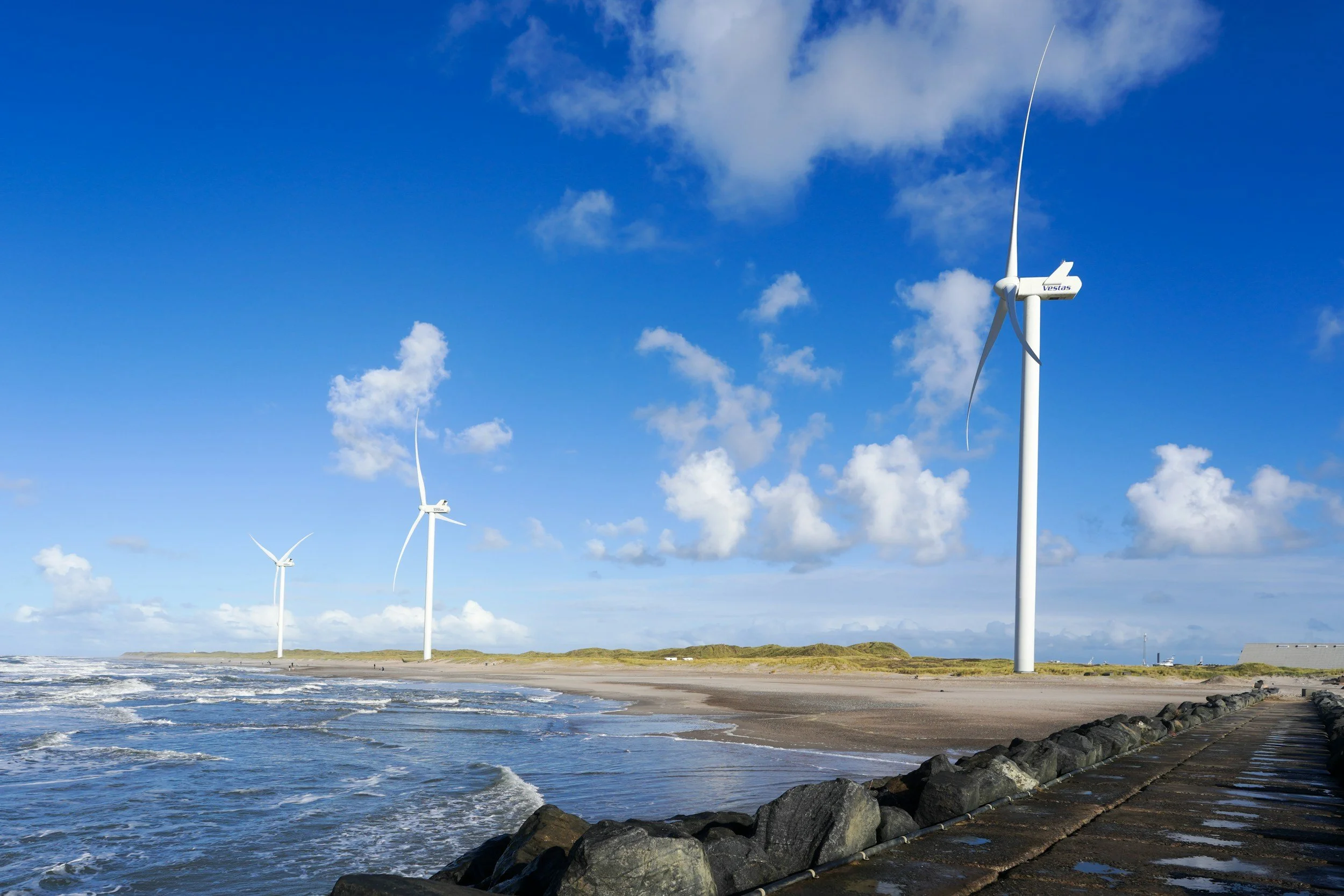
INTERNATIONAL DAY OF CLEAN AIR FOR BLUE SKIES
SEPTEMBER 7
Healthy environment with clean air and blue skies are considered to be essential elements of well-being of humans as these factors contribute to respiratory and cardiovascular health, ecosystem, and economic performance. It takes co-ordinated efforts to maintain or enhance air quality over the long term, with the necessary actions being to cut down on the generation of air pollution by industry, transport, and agriculture, shift the energy supply to cleaner sources, impose powerful monitoring and regulatory systems, and provide communities with available information. Air quality protection is also a way of co-benefiting climate change since most of the gases that contribute to air pollution have been associated with sources of greenhouse gases and it is therefore important to have integrated policies that can mitigate both air pollution and carbon emission to ensure sustainability on a long term basis.
The International Day of Clean Air and Blue Skies is an annual event aimed at creating and raising awareness worldwide and triggering the change of air quality with prioritizing the enhancement and exchange of best practices among governments, cities, businesses, and scientists, and civil society. The currently planned 2026 theme is “Clean Air, Healthy Choices: Acting Together for People and Planet,” with the focus being that individual and collective actions such as city planning and investment in transit, cleaner industrial processes, and family energy choices influence the result of air quality. The theme sends a message to the need to work together across sectors and boundaries to establish science-based policies to provide clean air and blue skies to both present and future generations.
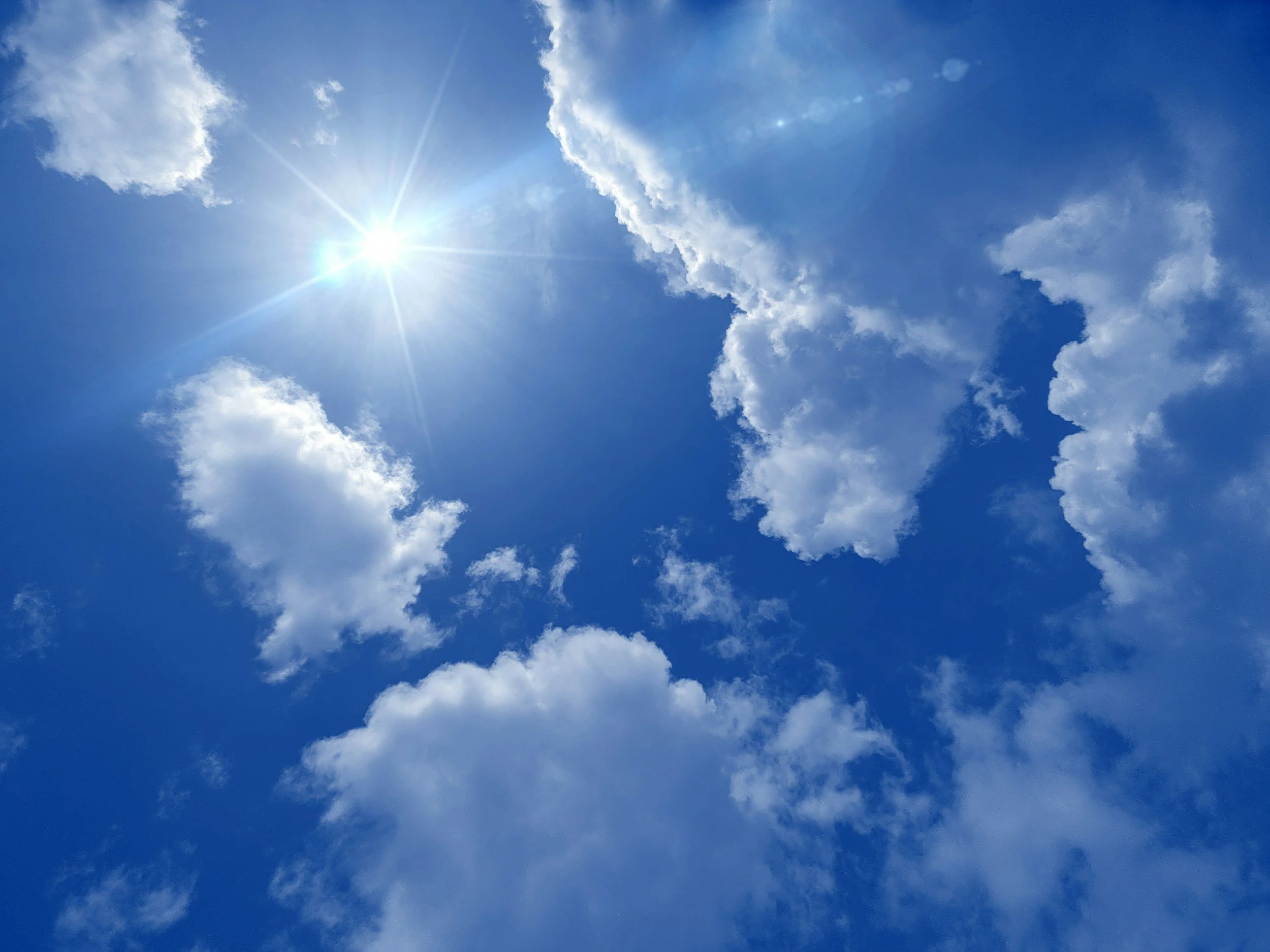
Clear air, bright skies—let’s unite science, business, and community to protect the breath we share.
How can we promote this ?
Coordinate a global campaign with NGOs and local governments to share consistent, science-based messages, visuals, and toolkits (social posts, press releases, flyers) showing practical actions for individuals, businesses, and policymakers to cut air pollution and protect atmospheric health.
Organize synchronized community actions—virtual and in-person events (clean-air pledges, vehicle-free days, tree planting, air-monitoring workshops)—using accessible local air-quality data and measurable targets to track participation and short-term emission reductions.
Engage business and policy stakeholders via multi-stakeholder roundtables and recognition programs that promote clean technologies, commute solutions, and policy commitments (low-emission zones, industrial controls), with public reporting to show progress and sustain momentum.
HOW CAN I GET INVOLVED?
Volunteer: Join us in our efforts to promote environmental awareness and sustainability in your community. Whether you have a few hours or a few days to spare, your help is invaluable!
Partner with Us: If you're part of a nonprofit, business, or government organization, consider partnering with the Environmental Alliance for collaborative projects or events. Together, we can make a bigger impact!
Stay Informed: Sign up for our newsletter to receive the latest news, events, and ways to participate in our initiatives.
Attend Events: Participate in our upcoming events and awareness days. Check our calendar for dates and details.
Spread the Word: Share our mission with your network. Follow us on social media and help us raise awareness about environmental issues.