
NATIONAL MARINE SANCTUARY DAY
October 23
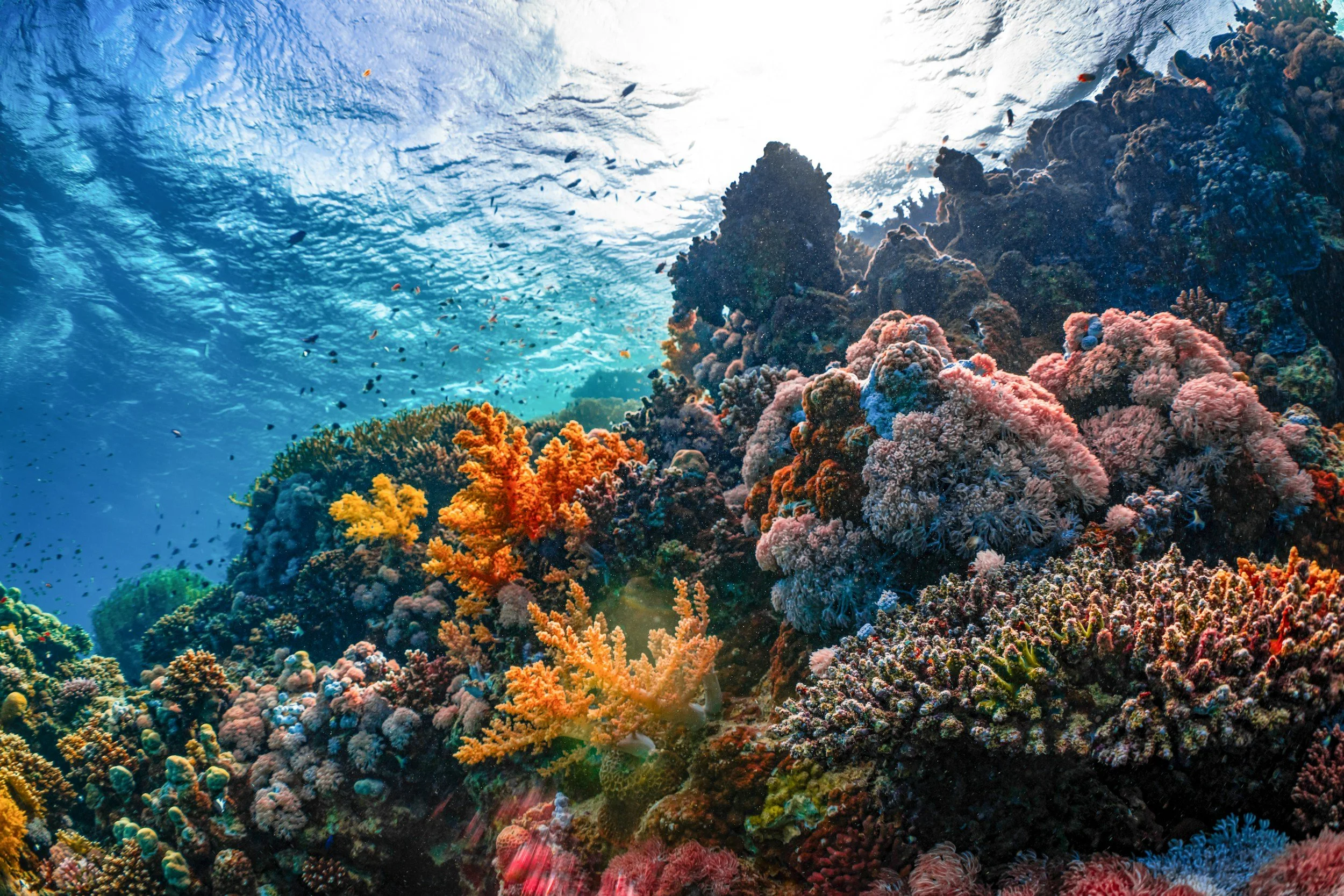
The sea creatures and sea life constitute a complex and interrelated network encompassing the tiniest planktons to big whales which keep ocean life and ecosystems alive and provide livelihood to humans. These species are important in a number of ways, including nutrient cycling, carbon sequestration, and habitat formation, as well as food, cultural value, and economic advantages. Overfishing, pollution, habitat destruction, and climate change are some of the threats that are putting stress on marine populations and changing ecological balance and thus coordinated conservation, science-based management, and responsible stewardship is critical to maintain health of the oceans to serve the future generations.
National Marine Sanctuary Day is the celebration of the network of marine sanctuaries that preserve biodiversity, cultural values and essential ocean ecosystems that facilitate sustainable use and scientific studies. The day is observed to create public awareness on the effect that sanctuaries have in ensuring that coral reefs, kelp forests, deep-sea habitats as well as historic shipwrecks are not threatened by factors such as pollution, overfishing, and climate changes. It challenges communities, policymakers, and businesses to promote stewardship activities, including minimizing plastic waste, promoting effective protections, and financing research and restoration, that maintain coastal economies sustainable and marine species healthy. Through the understanding of ocean health and human well being interdependence, the National Marine Sanctuary Day advocates wise stewardship and partnership which fosters conservation and sustainable use.
“Above all, they are waters for all.”
How You Can Promote This Day
Share one clear message and image on your social media profiles encouraging friends and family to take a small action (e.g., pick up litter, plant a native flower, reduce single-use plastic).
Host or join a short local event (cleanup, tree planting, info table) and invite neighbors through community groups, flyers, or neighborhood apps.
Wear or display a simple symbol (pin, sticker, yard sign) and hand out one-sentence info cards explaining the day’s purpose and an easy action people can take.
Marine conservation in the United States
It’s focus includes those of defending coastal and offshore ecosystems, restoring fish populations, and the reduction of pollution with the help of the science-based policies and collaborations between the federal and state agencies, tribes, non-profits, industry and local communities. The priority actions involve increasing the areas that are under protection of the sea, enhancing fisheries management using ecosystem-based management, minimizing plastic and nutrient discharges, and mitigating the effects of climate change by mitigating ocean warming and acidification. The Ecological Stewardship of the ocean effectively balances the ecological resilience with sustainable uses in the support of livelihoods, recreation and biodiversity, basing on the research, community participation and coordinated policy to protect the health of the ocean to the future generation.
HOW CAN I GET INVOLVED?
Volunteer: Join us in our efforts to promote environmental awareness and sustainability in your community. Whether you have a few hours or a few days to spare, your help is invaluable!
Partner with Us: If you're part of a nonprofit, business, or government organization, consider partnering with the Environmental Alliance for collaborative projects or events. Together, we can make a bigger impact!
Stay Informed: Sign up for our newsletter to receive the latest news, events, and ways to participate in our initiatives.
Attend Events: Participate in our upcoming events and awareness days. Check our calendar for dates and details.
Spread the Word: Share our mission with your network. Follow us on social media and help us raise awareness about environmental issues.