
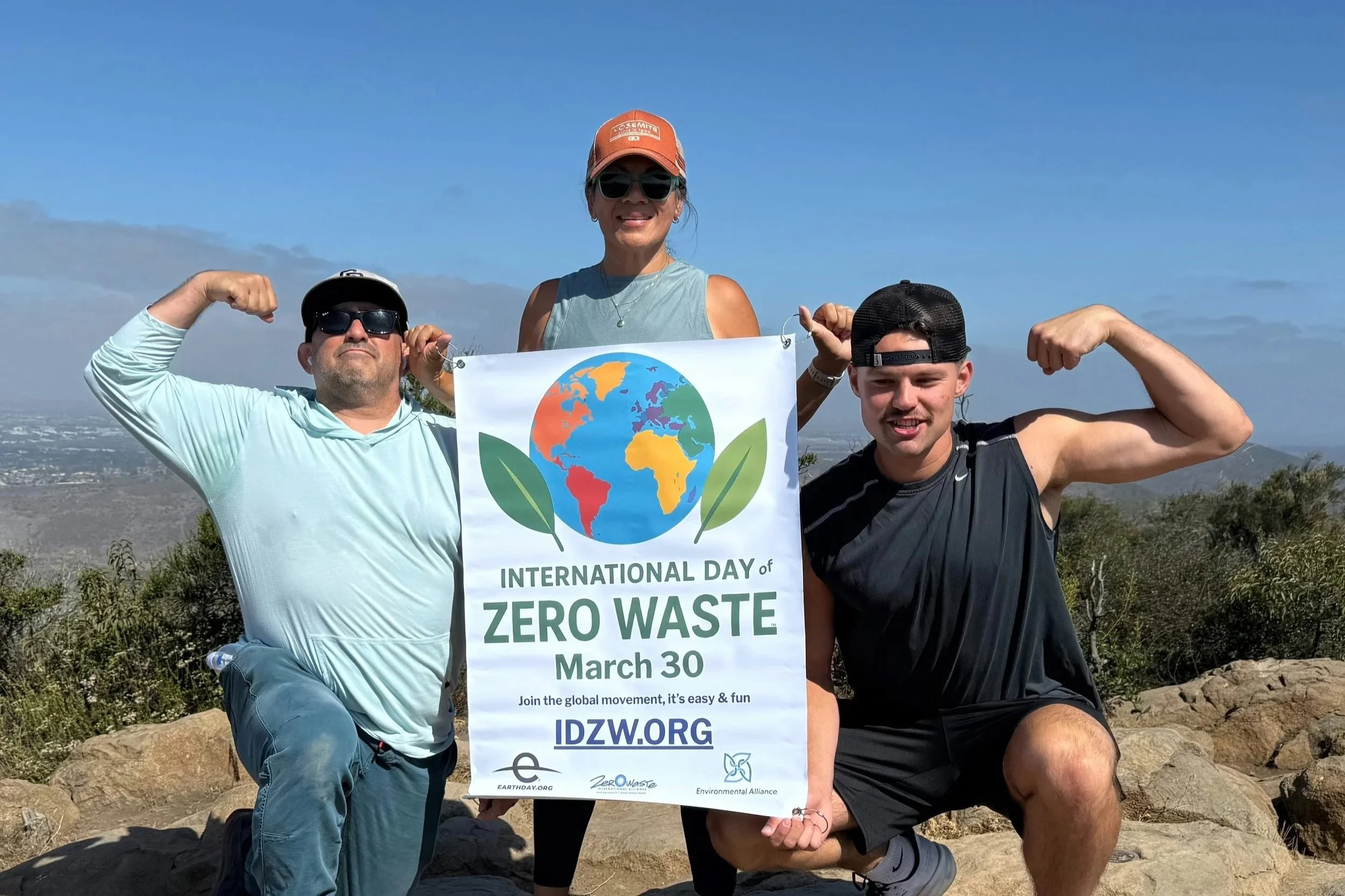
International Day of Zero Waste
March 30
The International Day of Zero Waste, proclaimed by the United Nations and observed every year on March 30, shines a spotlight on how our everyday choices can reduce pollution, protect climate and nature, and support more circular, fair economies. This year, the spotlight is on food waste—a preventable driver of greenhouse gas emissions and the “triple planetary crisis” of climate change, pollution, and biodiversity loss.
International Day of Zero Waste (March 30) celebrates practical, hopeful solutions that turn “trash” into resources and bring communities together for a cleaner, more circular world.
What does “zero waste” really mean?
Zero waste is more than a recycling goal; it is about redesigning systems so resources are conserved, reused, and recovered instead of burned or buried. The Zero Waste International Alliance defines zero waste as the conservation of all resources through responsible production, consumption, reuse, and recovery—without discharges to land, water, or air that threaten the environment or human health.[5][10]
Zero waste connects directly to the UN Sustainable Development Goals, including making cities inclusive, safe, resilient, and sustainable (SDG 11) and ensuring sustainable consumption and production (SDG 12). When communities move toward zero waste, they cut climate pollution, create local jobs, and reduce pressure on ecosystems and landfills.[8][9][11][2]
Three fun ways to learn about zero waste
Play “Fridge Detective” (Food Waste Edition)
Around the world, food waste is a major contributor to climate emissions and resource loss, even though much of it is preventable. Challenge yourself (or your family, class, or team) to become “Fridge Detectives” for one week:
• Make a simple list of every food item thrown away or composted, and why (expired, leftovers, overcooked, forgotten, etc.).
• At the end of the week, circle the top three “usual suspects” and brainstorm how to rescue them next time (meal planning, “eat‑me‑first” box, freezing, sharing).
• Celebrate wins by snapping a “zero‑waste fridge” photo and sharing it on March 30 with your community.
This playful exercise makes invisible waste visible, and turns food‑saving into a team sport.
Zero Waste Around the World quiz
Zero‑waste initiatives are growing across cities and countries, from repair and refill systems to composting and informal waste worker inclusion. Create or join a short “Zero Waste Around the World” quiz (online or in person) that explores:
• Which regions have city‑wide composting or deposit‑return systems.
• How many tonnes of municipal solid waste the world generates each year (in the billions).
• What the UN’s International Day of Zero Waste aims to change in cities and communities.
Turn it into a friendly competition, with small “circular” prizes like reusable containers or a repair voucher.
Design your own Zero Waste Hero
Zero waste is a visionary, people‑powered goal that invites creativity. Invite kids, youth, or coworkers to design a “Zero Waste Hero” character—maybe a neighborhood compost champion, a refill rebel, or a repair wizard.
• Give your hero a name, a simple backstory, and one “superpower” linked to a real zero‑waste solution (e.g., rescuing leftovers, fixing broken items, refusing single‑use plastics).
• Display these heroes in your school, office, or community space around March 30, or share them online to inspire others to act.
Three actions you can take today
1. Host or join a cleanup with a zero‑waste twist
International Day of Zero Waste is closely connected to global cleanup and circularity efforts, including World Cleanup Day and local waste‑wise city programs.
• Organize or join a neighborhood, shoreline, or park cleanup that records what is collected by type (plastic bottles, wrappers, textiles, etc.).
• Where possible, separate items for reuse or recycling instead of sending everything to landfill.
• Share what you find with local decision‑makers to push for upstream solutions like product redesign and better collection systems.
This turns a simple cleanup into a data‑driven, zero‑waste action that supports systemic change.
2. Commit to one “upstream” swap
Zero waste starts upstream—re‑thinking what we buy, how it is designed, and how long it lasts. Choose one meaningful swap you can keep for at least 30 days, such as:
• Switching from single‑use plastic bottles to refillable bottles and tap or filtered water.
• Choosing repair, rental, or second‑hand instead of “fast” fashion or quick‑to‑break products.
• Bringing your own containers for take‑out where local health rules allow, or prioritizing venues that offer reusables.
Small, consistent upstream changes reduce waste, support circular businesses, and send a clear signal to producers and policymakers.
3. Support zero‑waste policies and communities
A global waste crisis is impacting climate, ecosystems, and human health, and policy change is essential alongside personal action. On or around March 30, you can:
• Learn about zero‑waste strategies and the official definition from the Zero Waste International Alliance, then share them with your local representatives or community groups.
• Advocate for composting, reuse, and repair infrastructure in your city, and for phasing out incineration and landfilling of organics.
• Support local zero‑waste champions—including informal waste workers—through fair policies, partnerships, and respectful engagement.
Collective advocacy helps transform waste systems into resource‑recovery systems that align with zero‑waste principles.
Our global collaboration
Environmental Alliance is proud to collaborate on the International Day of Zero Waste with: World Cleanup Day, EARTHDAY.ORG, ZeroWaste.org, Zero Waste International Alliance, Zero Waste Europe, and Zero Waste USA. Together, these partners share a vision of vibrant, resilient communities where waste is designed out of the system and resources circulate in harmony with nature.
www.internationaldayofzerowaste.org
HOW CAN I GET INVOLVED?
Volunteer: Join us in our efforts to promote environmental awareness and sustainability in your community. Whether you have a few hours or a few days to spare, your help is invaluable!
Partner with Us: If you're part of a nonprofit, business, or government organization, consider partnering with the Environmental Alliance for collaborative projects or events. Together, we can make a bigger impact!
Stay Informed: Sign up for our newsletter to receive the latest news, events, and ways to participate in our initiatives.
Attend Events: Participate in our upcoming events and awareness days. Check our calendar for dates and details.
Spread the Word: Share our mission with your network. Follow us on social media and help us raise awareness about environmental issues.