

WORLD SEAGRASS DAY
MARCH 1
Seagrass meadows are submerged flowering plants that grow in the shallow waters of the coastlines global; they occur in form of dense, carpet-like beds that offer essential habitats, nurseries and foraging grounds to a diverse marine population of fish, shellfish, sea turtles, and dugongs. In addition to biodiversity, seagrasses stabilize sediments, minimize coastal erosion, enhance water quality through trapping and absorption of silt and surplus nutrients, and are also major carbon sinks-especially sequestration of carbon as impressive as terrestrial forests. Although seagrass ecosystems are valuable ecologically and economically, there is an increasing threat of destruction by coastal development, pollution, dredging and climate change that makes conservation and restoration of seagrass integrated priorities of sustainable coastal settings.
The World Seagrass Day, which is an annual event on 1 March, creates awareness around the world about the importance of seagrasses in maintaining healthy oceans, supporting fisheries and reducing climate change by blue carbon storage. The day unites scientists, conservation groups, governments, local communities, and businesses to exchange their research and celebrate conservation achievements, as well as promote conservation efforts to include mapping, monitoring, decreasing nutrient runoff, and restoring degraded meadows. World Seagrass Day will highlight the risks to, as well as solutions to, conservation of the seagrass beds in order to mobilise a concerted policy and community action to safeguard the ecosystems in the interests of nature, coastal economies and climate resilience.
Seagrass Day raises global awareness of the vital role seagrass ecosystems play in supporting biodiversity, stabilizing coastlines, improving water quality, and sequestering carbon--helping mitigate climate change and protect coastal communities. Celebrations and observances worldwide combine scientific conferences, community beach cleanups, citizen-science monitoring programs, educational workshops in schools, and restoration projects that involve planting seagrass beds; governments and NGOs use the day to announce new protections, funding, or policy commitments, while social media campaigns and art installations highlight local stories and the connection between healthy seagrass and food security, fisheries, and cultural heritage. These activities combined will encourage the engagement of scientists, fishers, indigenous people, policy makers, and volunteers to support research, to rehabilitate the destroyed meadows and support more robust approaches to coastal management which would preserve seagrass to future generations.
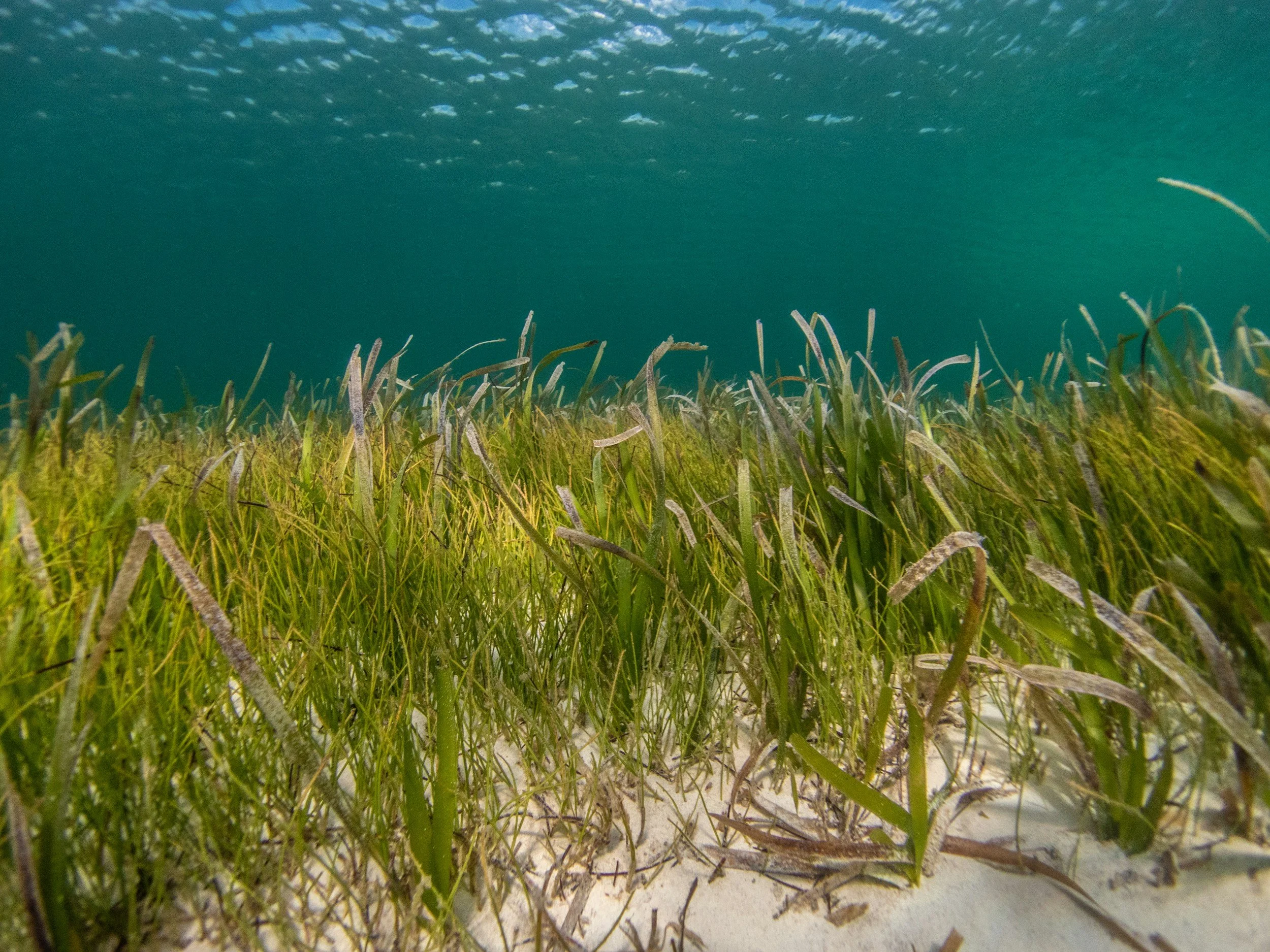
Seagrass Day highlights how seagrass meadows support coasts, fisheries, carbon storage, and shoreline protection. These underwater flowering plants provide habitat for fish, shellfish, and endangered species, store large amounts of “blue carbon,” and help reduce erosion and ocean acidification.
Seagrass offers employment, food and protection. It sustains fisheries, purifies water and protects beaches. Most cultures particularly the Indigenous people relate it to identity and knowledge of seasons. It is appreciated by scientists because of its capacity to store carbon and biodiversity. The beauty and healing of the swimming pools, divers, and boaters. Preservation and rehabilitation of seagrass help in protecting and restoring marine life, human health, climate resilience and local communities.
Did you know?
HOW CAN I GET INVOLVED?
Volunteer: Join us in our efforts to promote environmental awareness and sustainability in your community. Whether you have a few hours or a few days to spare, your help is invaluable!
Partner with Us: If you're part of a nonprofit, business, or government organization, consider partnering with the Environmental Alliance for collaborative projects or events. Together, we can make a bigger impact!
Stay Informed: Sign up for our newsletter to receive the latest news, events, and ways to participate in our initiatives.
Attend Events: Participate in our upcoming events and awareness days. Check our calendar for dates and details.
Spread the Word: Share our mission with your network. Follow us on social media and help us raise awareness about environmental issues.