
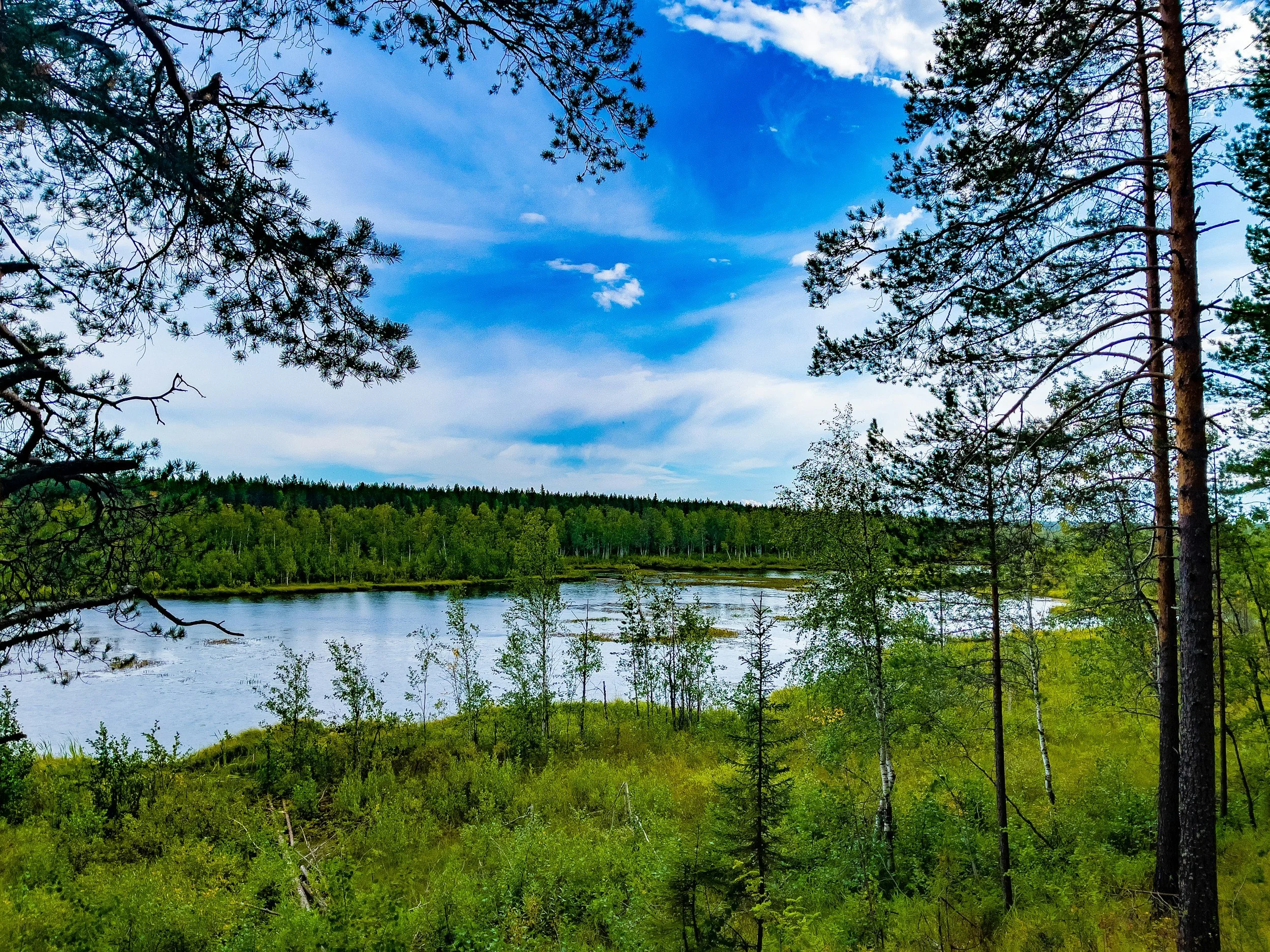
WORLD WETLANDS DAY
FEBRUARY 2
Wetlands are dynamic eco-systems formed at the interface of water and land, which are vital to the habitat of various plant and animal species, and also to offer essential services to humans and the environment; they filter out pollutants and excessive nutrients in the water, hold floodwaters and curb erosion, hold carbon in the soil, and serve fisheries and recreation. The wetlands are saturated with soil and vegetation evolved to live in periodic floods, including cattails, sedges and mangroves, and come in a variety of forms, such as marshes and swamps, to bogs and tidal estuaries, with varying hydrology and biodiversity. Even though wetlands are important, they are threatened by drainage, development, pollution, and climate change and their conservation and rehabilitation have become a high priority in order to maintain water quality, coastal resilience, and ecological health as a whole.
The second week of February marks World Wetlands Day, celebrated on the 2nd every year to recognize the significance of wetlands in maintaining biodiversity, sustaining livelihoods, water regulation, and community buffering against floods and storms, the signing of the Convention on Wetlands (Ramsar Convention) in 1971 and the creation of awareness on the importance of conserving and restoring these ecosystems in the face of Wetlands (including marshes, peatlands, mangroves, and estuaries) sequester carbon, filter water, support migratory birds and fish, and form the basis of local economies in fisheries and tourism. Globally marking the day will promote evidence-based conservation, sustainable management, and restoration activities by policymakers, scientists, communities, and businesses, which ensures the multiple benefits of wetlands to nature and people today and in the future.
Risk under Wetland
Wetlands are very important sources of ecosystem services flood mitigation, water purification, habitat, carbon sequestration, and however, they have a set of threats that influence human beings, infrastructure, and ecological well-being. These risks are critical to the land-use planners, developers, conservationists, and community stakeholders to understand and manage them.
Hydrological risks: drainage, dams, water extraction or climate driven sea level rise and drought alters the water regimes and flood frequency, depth and timing.
Risks to pollution and water quality: agriculture, industry, and urban runoff, due to the extensive nutrient loading, chemical contamination, sedimentation and runoff, degrade habitat and biota.
Threats to land-use and habitat loss: agricultural conversion, development, infrastructure, peat mining, and fragmentation and reduction of wetland area and connectivity.
Biological and ecological risks: invasion, over exploitation, disease and destruction of native biodiversity that disturb food webs and ecosystems.
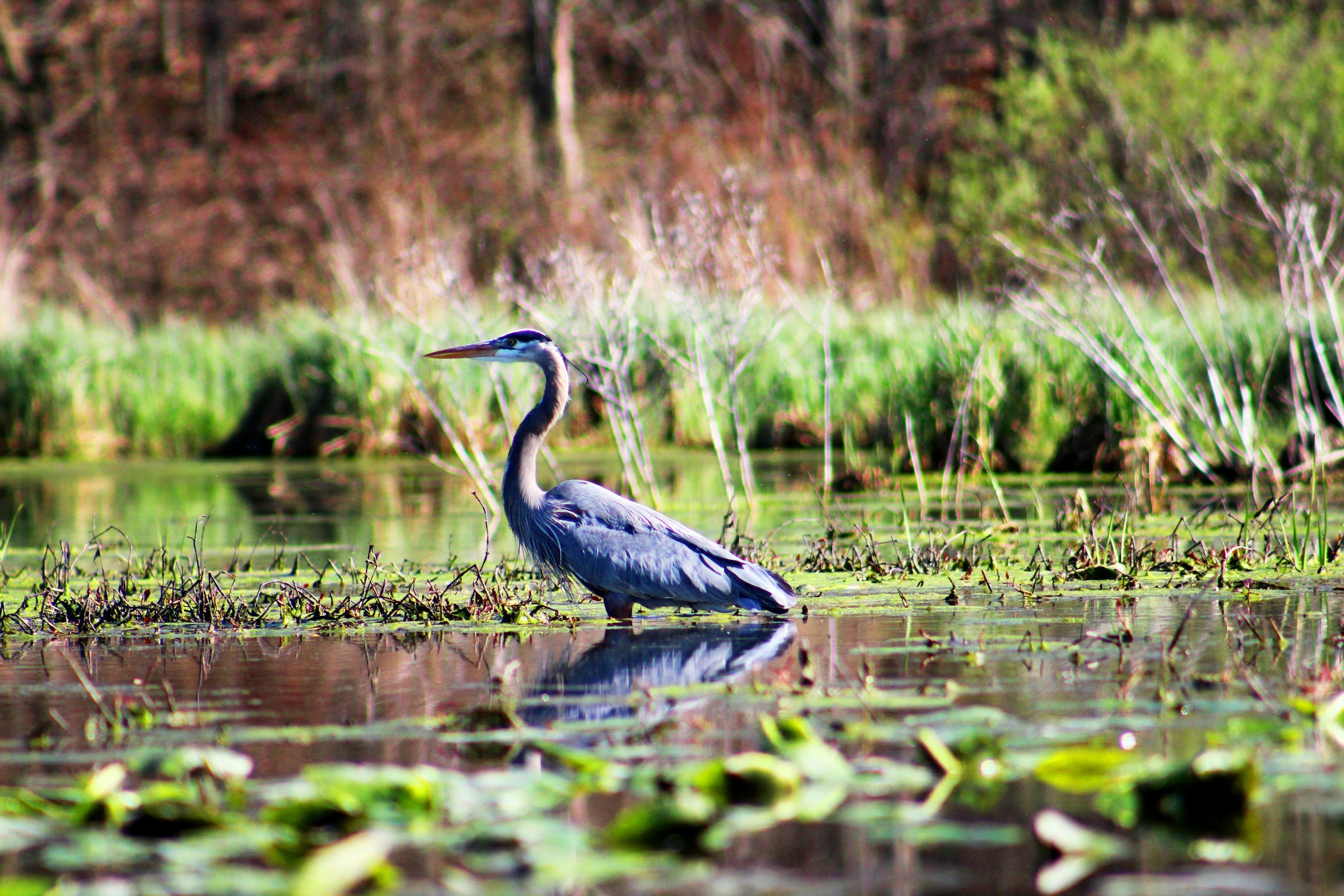
Wetlands are nature's living filters and floodguards—protect them, and you protect communities, biodiversity, and our climate.
All wetlands must be preserved as a crucial natural infrastructural facility that filters water, retains carbon and cushions societies against floods and storms. Each wetland should have clear science-based management plans that can balance between the conservation of the biodiversity and the sustainability of the local livelihoods. All wetlands require a legal protection and long-term financial resources to ensure their preservation, recovery of the damaged lands, and control over the ecological condition. Any wetland must have an inclusive governance that focuses on the Indigenous knowledge, community stewardship and open-minded accountability.
How To Promote This Day
Raise awareness: Share information and stories about endangered species on social media using hash tags such as Endangered Species Day.
Educate others by presenting, conducting workshops or classroom lessons that explain the dangers to wildlife.
Help in conservation through donations, fundraising or volunteering in organizations such as World Wildlife Fund.
Do it locally by cutting waste and planting trees, and assisting in the preservation of local habitats.
Be creative, host art competitions, film contests or host events dedicated to endangered species.
Be a change agent and promote the protection of wildlife laws and policies.
HOW CAN I GET INVOLVED?
Volunteer: Join us in our efforts to promote environmental awareness and sustainability in your community. Whether you have a few hours or a few days to spare, your help is invaluable!
Partner with Us: If you're part of a nonprofit, business, or government organization, consider partnering with the Environmental Alliance for collaborative projects or events. Together, we can make a bigger impact!
Stay Informed: Sign up for our newsletter to receive the latest news, events, and ways to participate in our initiatives.
Attend Events: Participate in our upcoming events and awareness days. Check our calendar for dates and details.
Spread the Word: Share our mission with your network. Follow us on social media and help us raise awareness about environmental issues.