

WORLD SOIL DAY
DECEMBER 5
Soil is the thin, living skin on the Earth that supports plants, animals and people. It consists of fragmented rocks, decayed vegetation and animal remains, water, air, and numerous minute organisms such as bacteria, fungi and worms that form a living system that is dynamic. Well cultivated soil retains water, recycles nutrients, assists crops and wild vegetation to develop, sustain biodiversity, and filters pollutants to safeguard the quality of water. Good soil is used by farmers, gardeners, land managers, and scientists in order to produce the food, landscape sustainability and natural ecosystem resilience over time.
Soil Day should be a day to be able to recall the importance of soil, and to take realistic steps to conserve and replenish it. During Soil Day, individuals and organizations go to soil events including tree and native-plant plantings, educational workshops, community composting projects, and cleanup efforts in order to learn about soil care, composting, cover cropping and sustainable farming. Soil Day celebrations assist communities to learn and practice simple, science-based activities, including reducing the application of synthetic chemicals, managing soil erosion, maintaining roots (living or dead) in the ground, and incorporating organic matter to keep the soils healthy and productive to meet the needs of the present generation and the generations to come.
Importance of soil for nature
Soil is a pillar of terrestrial organisms, and it sustains the growth of vegetation, controls water cycles as well as recycling nutrients that the living things need to survive. It supports an enormous amount of life, including microbes and fungi, insects, and burrowing mammals, which in their turn stimulate decomposition, mineralization of nutrients and development of soil structure. The healthy soils contained carbon that can be used to curb climate change, filter and purify water, and minimize erosion through anchoring the vegetation. Soil supports food security, ecosystem resilience, and the services that support human societies and natural systems by allowing productive agriculture and maintaining biodiversity.
Facts About Soil
The soil is living: a teaspoonful of soil can have billions of microorganisms, bacteria, fungi, protozoa, micro-arthropods, which cause cycling of nutrients, decomposition and plant well-being.
Soil stores carbon: soils hold more carbon than the atmosphere plus plant biomass; conserving and restoring them helps mitigate climate change.
Soil structure controls water and roots: particle aggregation determines porosity, drainage, water retention, and root support.
There is multidimensionality of soil fertility, plant-availability of nutrients and yields is determined by physical, chemical, and biological attributes of soil constituted by nutrients, pH, organic matter, and microbes.
Soil is fragile and is formed gradually: it requires decades or millennia to develop and erosion, compaction, soil contamination and poor land use are its enemies.
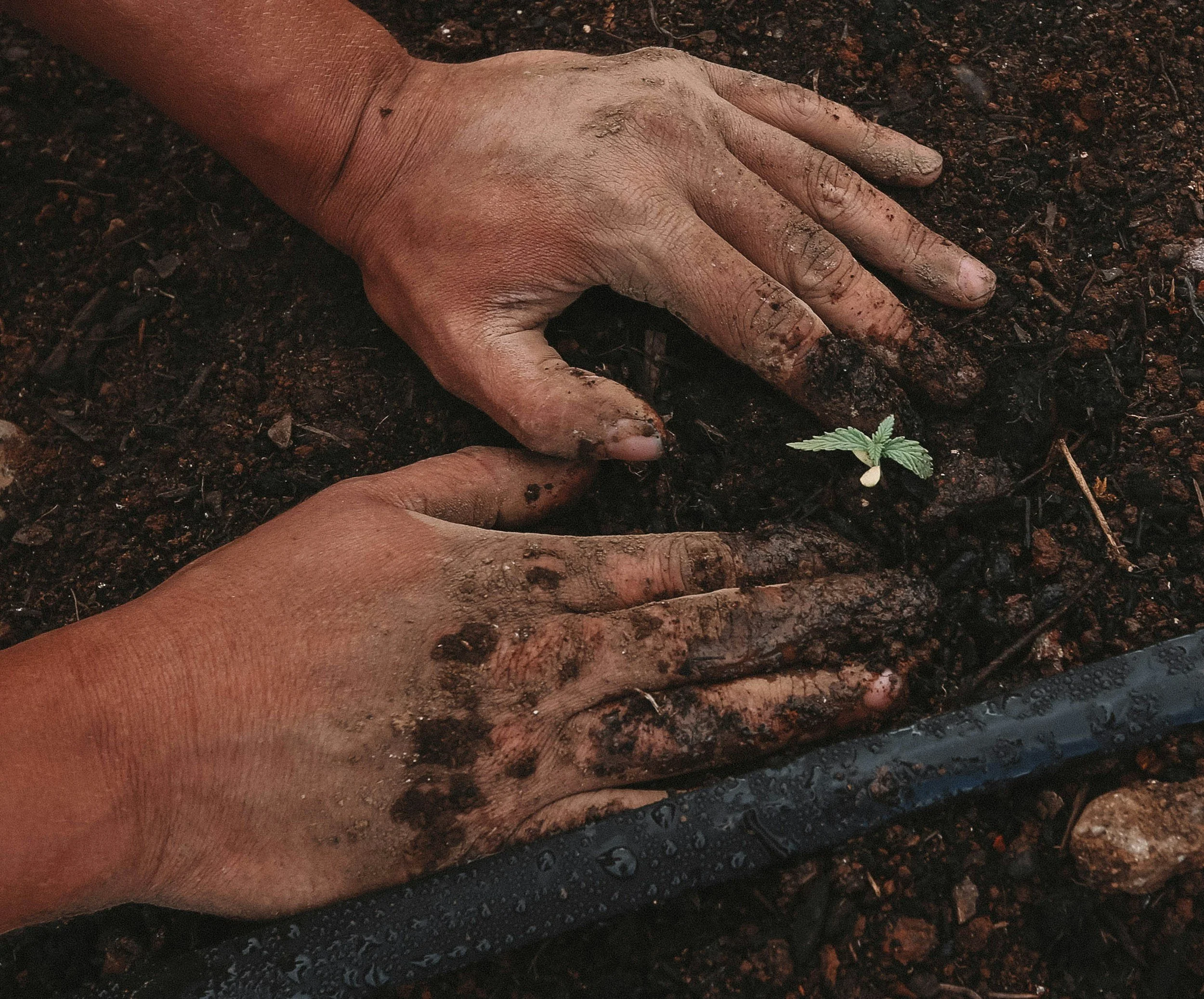
Protect Soil, protect our future.
Stores water, cycles nutrients, anchors ecosystems
To promote this day —
Let’s partner with schools, community gardens, and civic groups to run simple activities—classroom soil labs, neighborhood soil health pledges, and volunteer soil-restoration projects—and provide ready-to-use educational materials and toolkits.
Let’s launch a social media and email campaign the week of Soil Day with clear, shareable actions (e.g., reduce tillage, add organic matter, avoid synthetic pesticides), a downloadable one-page guide, and a call-to-action to join local soil-friendly initiatives.
HOW CAN I GET INVOLVED?
Volunteer: Join us in our efforts to promote environmental awareness and sustainability in your community. Whether you have a few hours or a few days to spare, your help is invaluable!
Partner with Us: If you're part of a nonprofit, business, or government organization, consider partnering with the Environmental Alliance for collaborative projects or events. Together, we can make a bigger impact!
Stay Informed: Sign up for our newsletter to receive the latest news, events, and ways to participate in our initiatives.
Attend Events: Participate in our upcoming events and awareness days. Check our calendar for dates and details.
Spread the Word: Share our mission with your network. Follow us on social media and help us raise awareness about environmental issues.