
ENDANGERED SPECIES DAY
May 15
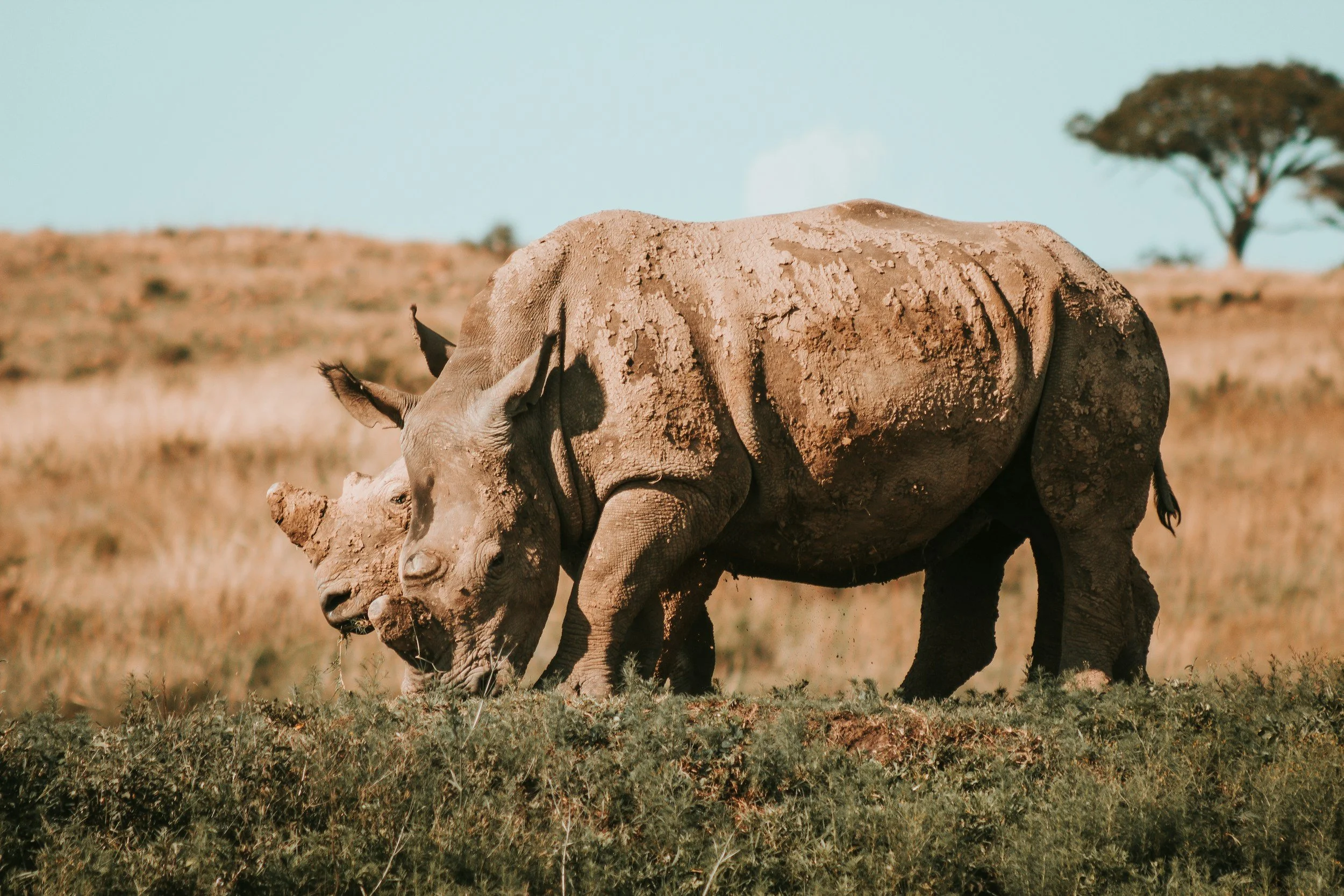
Endangered species face a heightened risk of extinction due to factors such as habitat loss, climate change, poaching, pollution, and invasive species, which disrupt ecological balance and reduce biodiversity. Protecting these species requires coordinated conservation strategies that include habitat preservation and restoration, stronger legal protections, community engagement, scientific research, and sustainable economic incentives that align local livelihoods with conservation goals. Preserving endangered species is not only an ethical responsibility but also essential for maintaining ecosystem services—like pollination, water purification, and carbon sequestration—that underpin human well-being and long-term economic stability. Effective action depends on collaboration among governments, non-profits, scientists, businesses, and indigenous and local communities to create resilient, science-based solutions that safeguard species and the habitats they depend on.
The Endangered Species Day is a holiday taking place on the second Saturday of November each year, that brings attention to the general public that species are not only in danger, but that there is a strong need to protect them; it is an occasion that brings to the fore the scientific, legal, and non-profit community-based conservation activities that not only restore the population of endangered species, but also foster cooperation between conservationists, governments, businesses and local communities.
Today, Endangered Species Day protects over 2,140 listed species.
Endangered species such as the Sumatran orangutan, leatherback sea turtle, Amur leopard, and vaquita face urgent threats from habitat loss, illegal wildlife trade, bycatch, and climate change; the Sumatran orangutan is losing its rainforest home to palm oil plantations and logging, leatherback turtles are impeded by plastic pollution and nest disturbance, the Amur leopard survives in isolated pockets with fewer than a hundred individuals threatened by poaching and prey depletion, and the vaquita—an elusive porpoise in the Gulf of California—edges toward extinction largely because of entanglement in gillnets used for illegal fishing; preserving these species requires coordinated protection of critical habitats, stronger enforcement against wildlife crime, fisheries reform, and community-led conservation that balances local livelihoods with long-term ecosystem health.
Key Threats To Global Diversity
Mammals: Large mammals like tigers and elephants face habitat loss and poaching, while small mammals such as certain bats and rodents a are threatened by disease and fragmentation.
Birds: Migratory birds (e.g., some shorebirds and raptors) decline due to habitat destruction, climate change, and collisions with man-made structures.
Reptiles & Amphibians: Sea turtles and many amphibians suffer from pollution, invasive species, and fungal diseases that drastically reduce populations.
Fish & Marine Species: Coral reef species, sharks, and many fish are endangered from overfishing, ocean warming, acidification, and habitat degradation.

Protect endangered species today — because every life lost is a future we can't get back.
To Promote This Day
Host or join a local habitat cleanup or restoration event to improve survival conditions for local endangered species.
Share verified conservation facts and simple action steps on social media to raise awareness and drive donations or volunteer sign-ups.
Advocate to elected officials for strong protections and funding for endangered species recovery programs (send a concise email or sign a petition).
HOW CAN I GET INVOLVED?
Volunteer: Join us in our efforts to promote environmental awareness and sustainability in your community. Whether you have a few hours or a few days to spare, your help is invaluable!
Partner with Us: If you're part of a nonprofit, business, or government organization, consider partnering with the Environmental Alliance for collaborative projects or events. Together, we can make a bigger impact!
Stay Informed: Sign up for our newsletter to receive the latest news, events, and ways to participate in our initiatives.
Attend Events: Participate in our upcoming events and awareness days. Check our calendar for dates and details.
Spread the Word: Share our mission with your network. Follow us on social media and help us raise awareness about environmental issues.