
Some Famous Must- try Cuisines from around the globe
Chinese – Peking Duck
Indian – Butter Chicken
Japanese – Sushi
Thai – Pad Thai
Korean – Kimchi
Vietnamese – Pho
Indonesian – Nasi Goreng
Malaysian – Nasi Lemak
Nepalese – Momo
Pakistani – Biryani
Bangladeshi – Hilsa Fish Curry
Sri Lankan – Kottu Roti
Italian – Pizza
French – Croissant
Spanish – Paella
Greek – Moussaka
German – Bratwurst
British – Fish and Chips
Irish – Irish Stew
Portuguese – Bacalhau
Dutch – Stroopwafel
Swiss – Fondue
Austrian – Wiener Schnitzel
Belgian – Waffles
Polish – Pierogi
Hungarian – Goulash
Czech – Svíčková
Russian – Borscht
Ukrainian – Borscht
Turkish – Kebab
Lebanese – Hummus
Persian (Iranian) – Ghormeh Sabzi
Israeli – Falafel
Arabian – Kabsa
Moroccan – Couscous
Ethiopian – Injera
Egyptian – Koshari
Nigerian – Jollof Rice
South African – Bunny Chow
Mexican – Tacos
Brazilian – Feijoada
Argentine – Asado
Peruvian – Ceviche
Colombian – Bandeja Paisa
Cuban – Ropa Vieja
Jamaican – Jerk Chicken
American – Hamburger
Canadian – Poutine
Australian – Meat Pie
New Zealand – Hangi
Hidden Healthy Foods Worth Trying (List)
Quinoa
Millet
Amaranth
Buckwheat
Chia seeds
Flaxseeds
Moringa
Teff
Sorghum
Lentils
Chickpeas
Kefir
Sauerkraut
Kimchi
Seaweed
Jackfruit
Dragon fruit
Goji berries
Turmeric
Sweet potatoes
These lesser-known foods are not only beneficial for overall health but also add variety and uniqueness to meals. Including such hidden healthy foods in your diet can improve nutrition while introducing new flavors and cultural diversity to your plate.
WORLD FOOD DAY
OCTOBER 16
“ Fill your bowl with colors, balance it with nutrients, and eat in moderation for a healthy life.”
Nourishing the body and soul, food is a source of comfort, culture, and connection. The smell of freshly baked bread, the colors of fruits and spices, food unites people across cultures and countries. Each morsel is a journey of culture, place and innovation, transforming humble ingredients into culinary delights. From comfort food to street food, food can feed the body and soul.
Food is a universal language, expressed in taste, texture, and experience. A meal can embody the spirit of a region, its geography, its culture and its people. The aromatic spices of a curry, the crunch of a salad, or the sweetness of a dessert are all expressions of creativity and cultural identity. As food changes over the years, it combines the old and the new, but it still serves its fundamental role: to provide sustenance, satisfaction, and connection to those who enjoy it.
Each year on October 16, World Food Day highlights the importance of food security and sustainable farming. It's a day that reminds us that while some live in plenty, others may not have enough to eat. It calls for collective efforts to minimise food waste, empower farmers, and provide quality food for all. It's not just about food, but about responsibility, equity and a future where everyone can eat and sleep at night.
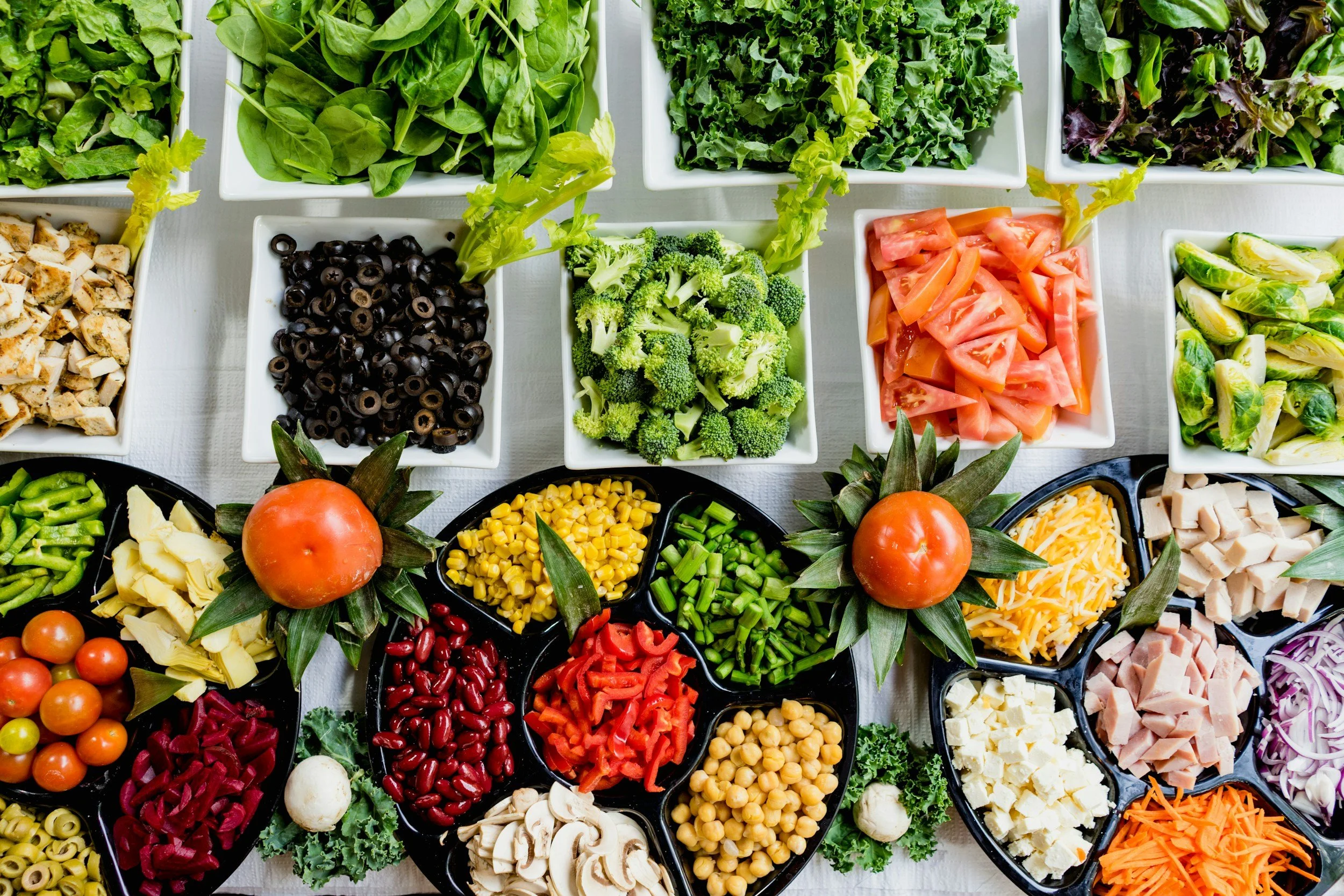
Colorful Food = Healthy Food
Different colors in food represent different nutrients:
Green → vitamins & iron (spinach, broccoli)
Orange/Yellow → vitamin C & A (oranges, carrots)
Red → antioxidants (tomatoes, berries)
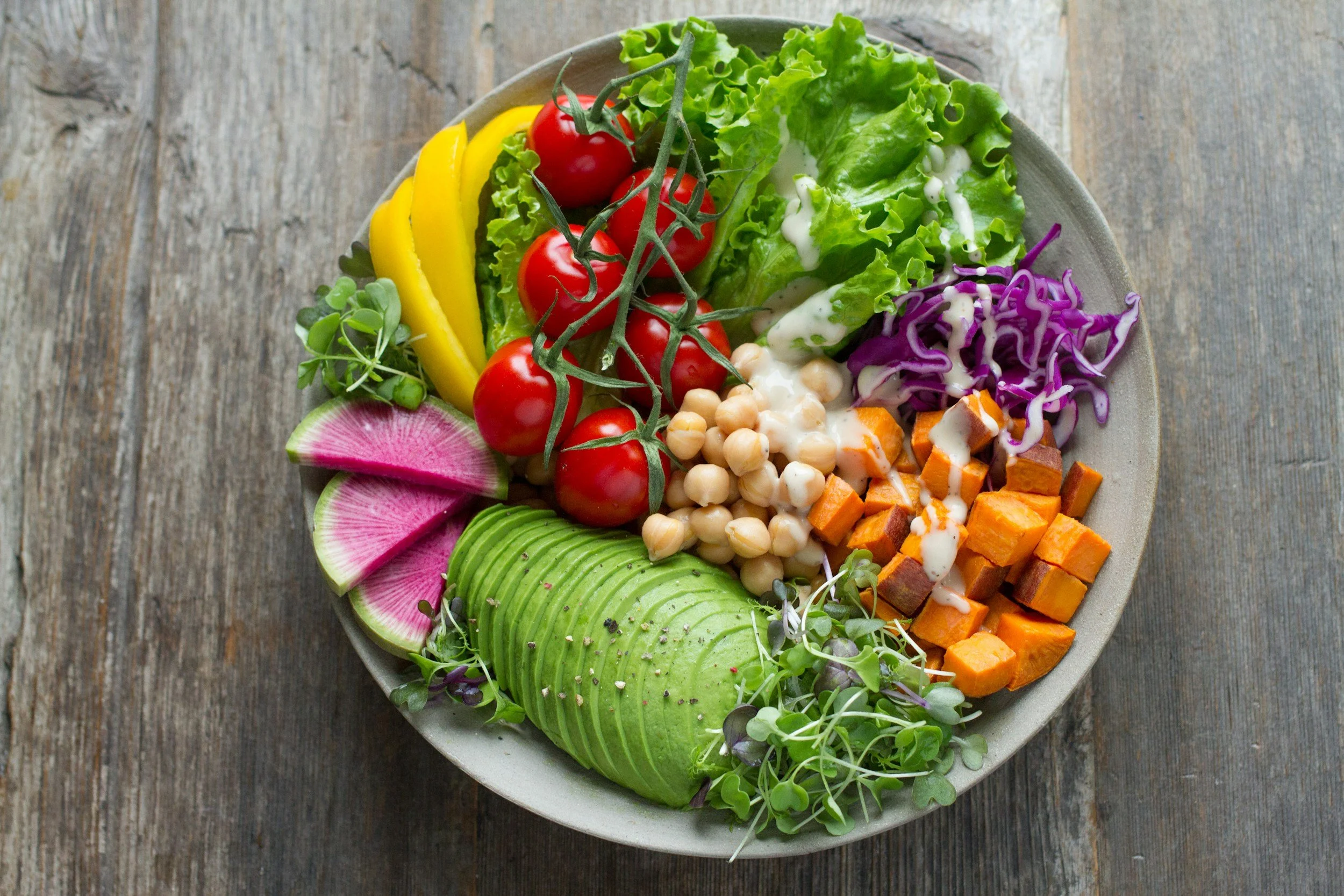
Each dish is a signature representation of its cuisine and is widely recognized around the world.
Facts on Food
There are hundreds of cuisines in the world (estimated 300-500+).
Primary cuisine groups are: Asian, European, African, Middle Eastern, Latin American and Oceanic.
Within countries, there are thousands of regional and local cuisines (e.g. India has 20+ major regional cuisines).
Humans eat from more than 7,000 edible plants, but regularly consume only around 150.
World's food is both simple (e.g., rice, bread) and elaborative (e.g., gourmet cuisine).
Food is an important cultural symbol that represents a community's traditions, history and identity. Each meal is a story that reflects the climate, geography, religion, and age-old traditions. The food we eat and the methods of preparation may evolve according to the availability of ingredients, and this is why cultures differ. Food brings people together, bonds families, and is a significant part of celebrating life's milestones like marriages, religious festivals, and festivals of all kinds. Recipes are handed down through generations, preserving cultural heritage, and passing down a sense of identity and tradition. For many, food preparation and serving rituals are also significant, expressing respect, hospitality, and cultural values. Food can also be a symbol of love and bonding, transcending cultural or social differences. In the modern globalized world, food also serves to connect cultures, enabling people to taste and enjoy different cultures. So, food is not only something that sustains us physically, but it also serves as a symbol of identity, belonging and culture around the world.
A healthy meal should include:
Carbohydrates (energy)
Proteins (growth & repair)
Healthy fats (brain & hormones)
Vitamins & minerals (immunity)
Water (hydration)
Ways To Promote World Food Day
Talk to people around you about the importance of food access and the global issue of hunger. Even small conversations can create big awareness.
Share facts, videos, and personal messages about reducing food waste and supporting those in need. Encourage others to take small actions.
Plan your meals, store food properly, and use leftovers creatively. Avoid throwing away edible food and be mindful of portion sizes.
Offer your time at food banks, shelters, or community kitchens. Helping distribute food can make a direct impact on people in need.
Contribute to charities or local organizations that work to fight hunger. Even small donations can help provide meals for many.
Encourage friends and family to eat balanced meals. Share simple, affordable recipes that are both nutritious and easy to prepare.
Buy fresh, local, and seasonal foods. This helps farmers earn a fair income and promotes sustainable agriculture.
Participate in school or community programs like food drives, seminars, or campaigns focused on hunger and nutrition.
Raise your voice about the importance of equal access to food. Support initiatives and policies that aim to end hunger.
Appreciate the food you have and avoid wasting it. Being grateful encourages responsible consumption and respect for resources.
HOW CAN I GET INVOLVED?
Volunteer: Join us in our efforts to promote environmental awareness and sustainability in your community. Whether you have a few hours or a few days to spare, your help is invaluable!
Partner with Us: If you're part of a nonprofit, business, or government organization, consider partnering with the Environmental Alliance for collaborative projects or events. Together, we can make a bigger impact!
Stay Informed: Sign up for our newsletter to receive the latest news, events, and ways to participate in our initiatives.
Attend Events: Participate in our upcoming events and awareness days. Check our calendar for dates and details.
Spread the Word: Share our mission with your network. Follow us on social media and help us raise awareness about environmental issues.