
WORLD HABITAT DAY
FIRST MONDAY OF OCTOBER
A habitat is the place where plants and animals (and other living things) live, grow and interact with the environment. It offers all the resources needed for life such as food, water, shelter, and room to roam. Different habitats can be as diverse as lush forests, deep oceans, arid deserts, and frigid poles, each home to different types of life adapted to survive there. Habitats are fragile, and any disruption, whether from pollution, climate change or human activities, can cause imbalances and harm species. By learning about habitats, we can appreciate the interdependence of life on Earth and the importance of preserving these environments for the survival of many species, including humans.
The first Monday of October each year marks World Habitat Day, a time to think about the conditions of our towns and cities, and the right to adequate shelter for all. The day, convened by the United Nations, highlights the problems of urbanization, homelessness and inadequate housing. It calls for governments, institutions and individuals to work together to create resilient and sustainable urban development. World Habitat Day, with its events, conversations and campaigns around the world, reminds us that our living environments are important for our well-being, environment and future growth.
The significance of habitat is that it is the home of all life on Earth. Habitat offers the basic necessities of food, water, shelter and space for plants and animals to live, thrive and reproduce. It also promotes biodiversity by providing a range of environments suitable for different species, leading to stable ecosystems where each species has a role to play. Habitats regulate the climate, clean air and water, and support natural processes such as pollination and nutrient cycling, essential for agriculture and human well-being. By conserving habitats, we not only save wildlife but also resources and stability for our future. But when habitats are damaged, it can result in the extinction of species, ecosystem dysfunction and significant human health risks, making their conservation critical.
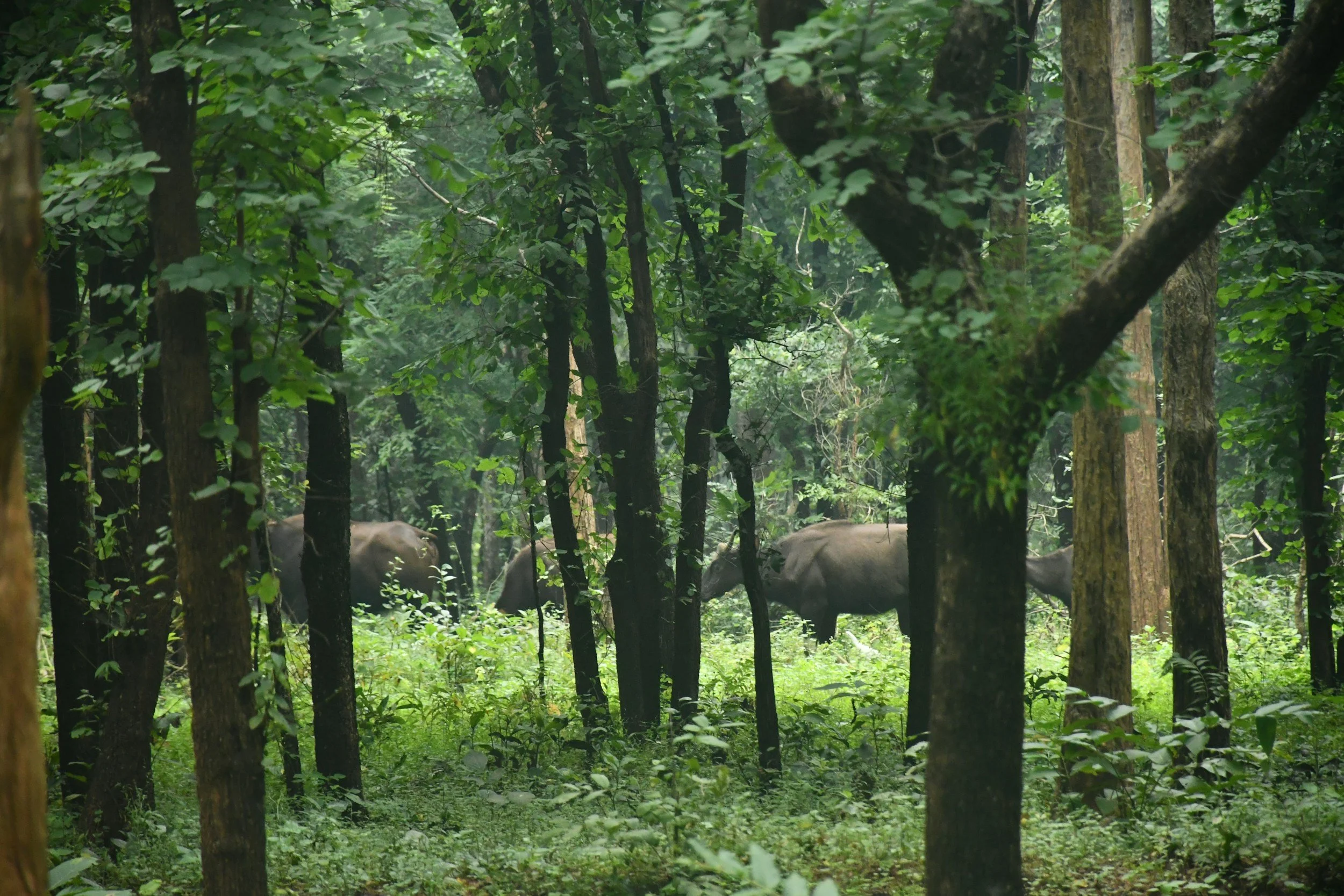
This Habitat Day – inspires us to care for nature and create a balanced relationship between humans and the environment.
Types of Habitats
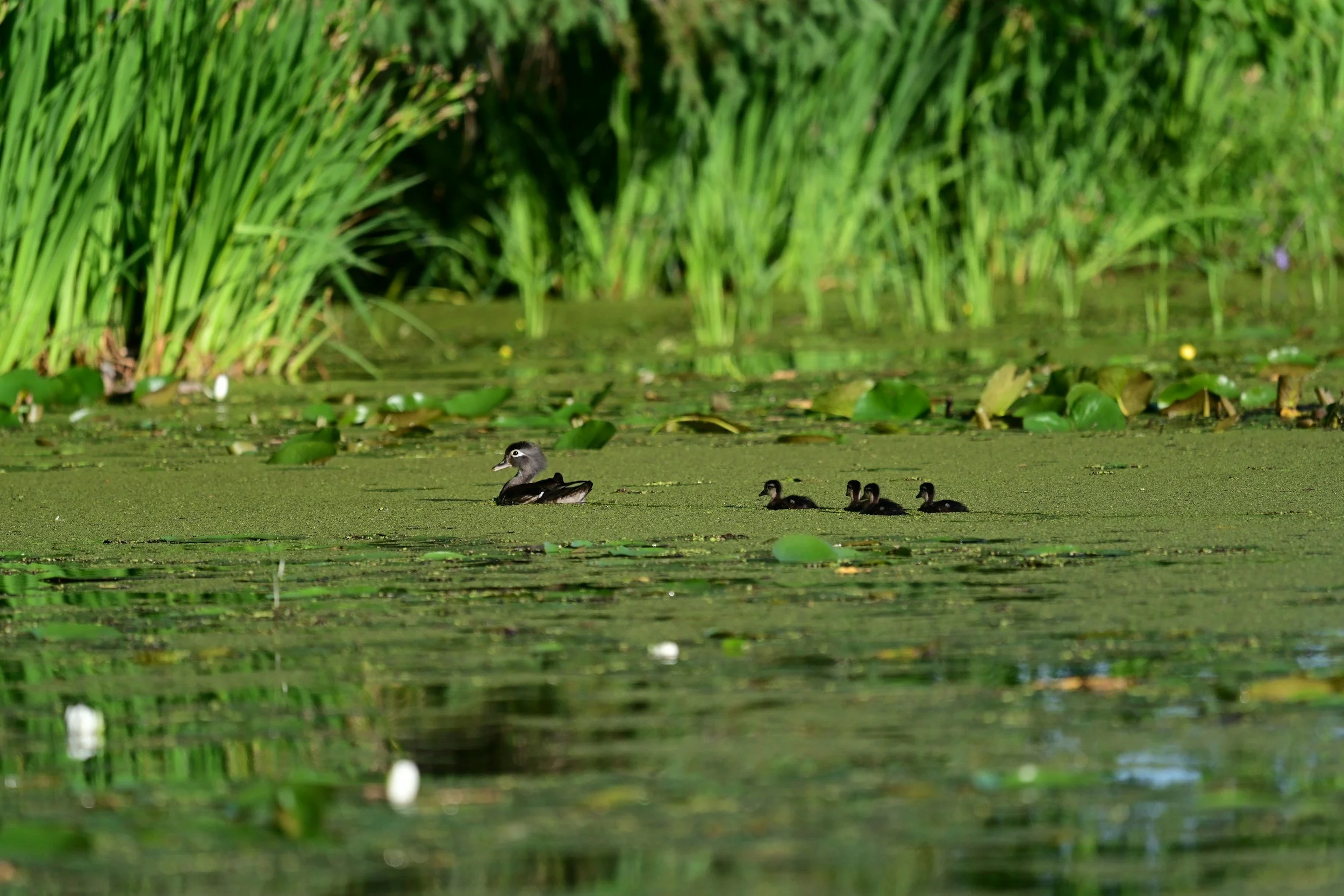
Earth's habitats can be broadly classified into a number of different categories, each with its own life. Forests, such as tropical rainforests and temperate forests, are diverse and lush, offering food and shelter to many animals and plants. Deserts are arid and harsh environments where water-conserving plants (such as cacti) and animals (such as camels) thrive. Aquatic habitats, such as swamps and marshes, are watery habitats that provide breeding habitats for birds, fish and amphibians, and naturally filter water. Marine habitats dominate our planet’s surface and are home to a rich diversity of marine organisms, ranging from plankton to whales. Polar habitats, located at the poles (Arctic and Antarctic), are cold and frozen, but animals such as polar bears and penguins have adapted to this environment. Every habitat is important for maintaining a balance and supporting life in some way.
Ways to Protect Habitats
Creating National Parks and Reserves
National parks and protected areas are established by governments to protect wildlife and habitats. These parks restrict human activities such as hunting, logging and building, so that plants and animals can live in their natural habitat.
Wildlife Reserves and Sanctuaries
Wildlife reserves are dedicated to conserving endangered and vulnerable animals and plants. They offer places for animals to breed and prevent their extinction through human interaction and illegal poaching.
Sustainable Use of Natural Resources
Conserving natural resources such as water, forests and land prevents resource exhaustion. Sustainable agriculture, fisheries, and forestry are among the ways to achieve these goals.
Reducing Pollution
Air, water and soil pollution control reduces habitat degradation. Waste disposal, recycling and plastics reduction avoid damage to wildlife and ecosystems.
Reforestation and Afforestation
Tree planting in cleared or unused land helps re-establish habitats. Trees offer habitat, clean the air and promote biodiversity.
How can “YOU” help ?
→ Reducing waste Recycling materials ←
→ Planting trees Using public transport ← → Conserving water Avoiding plastic ←
→ Saving energy Protecting wildlife ←

Advancement in Urban Habitat
Even though these problems exist, cities can become more sustainable if they are built with nature in mind. Making parks, green spaces, and rooftop gardens helps bring nature back to cities. This makes the air cleaner and gives birds and insects places to live. Buildings that are green and use natural light and energy-efficient materials cut down on pollution and save resources. Better public transportation, recycling programs, and less use of plastics are all examples of eco-friendly urban planning that can help lower the impact on the environment. By putting all of these ideas together, cities can find a better balance between people and nature, which will make city life better for people and the environment.
How Can We Promote this day
Share information on social media, posters, and events to educate people about protecting habitats and building sustainable cities.
Arrange activities like speeches, debates, and essay writing to help students learn about the importance of habitats.
Plant trees in local areas to increase green spaces, improve air quality, and support wildlife.
Organize community clean-ups in parks, rivers, and streets to reduce pollution and keep habitats healthy.
Conduct learning sessions on topics like climate change, urban planning, and environmental protection.
HOW CAN I GET INVOLVED?
Volunteer: Join us in our efforts to promote environmental awareness and sustainability in your community. Whether you have a few hours or a few days to spare, your help is invaluable!
Partner with Us: If you're part of a nonprofit, business, or government organization, consider partnering with the Environmental Alliance for collaborative projects or events. Together, we can make a bigger impact!
Stay Informed: Sign up for our newsletter to receive the latest news, events, and ways to participate in our initiatives.
Attend Events: Participate in our upcoming events and awareness days. Check our calendar for dates and details.
Spread the Word: Share our mission with your network. Follow us on social media and help us raise awareness about environmental issues.